
Alpine grass of Parnassus
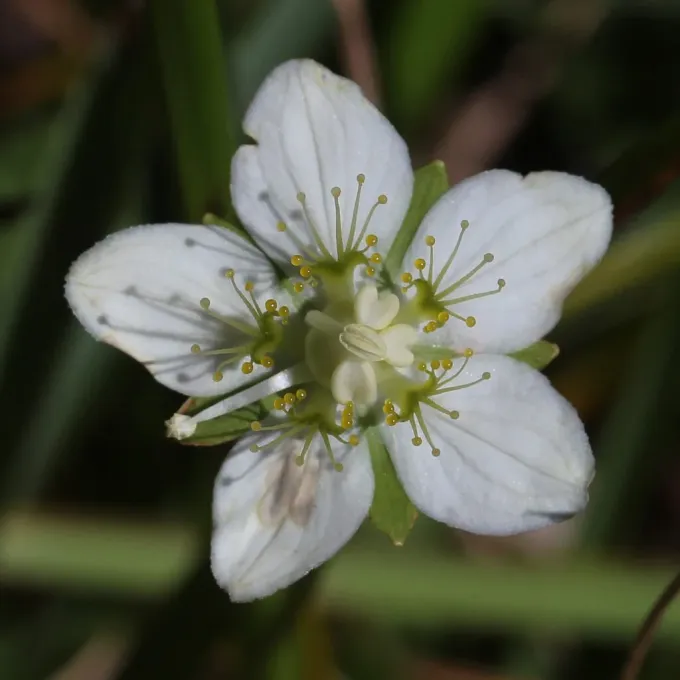
Parnassia alpicola
Description
Growing requirements
Alpine grass of Parnassus (Parnassia alpicola) is a perennial herbaceous plant belonging to the Celastraceae family. It is typically found in alpine meadows and near mountain streams, where the environment is naturally cool and moist.
When cultivating this species, it is essential to replicate its natural mountain habitat. The plant thrives in consistently moist, well-drained soils that are rich in organic matter and have a neutral or slightly acidic pH level.
This crop requires a location that provides ample light but remains cool, especially during the hottest parts of the day. A site near a garden pond or in a north-facing rock garden is often ideal for maintaining the necessary microclimate.
Water management is critical for the survival of the plant. The soil must stay moist throughout the growing season, but standing water must be avoided to prevent root damage, which makes proper soil layering and drainage essential.
The plant is highly cold-hardy, making it suitable for high-altitude gardens and regions with long, harsh winters. However, it requires protection from desiccating winds and excessive summer heat to maintain its health and aesthetic appearance.
Main diseases and pests
The primary diseases affecting Parnassia alpicola include fungal infections like root rot, which typically occur when the soil remains stagnant or when air circulation around the foliage is restricted.
Garden pests, particularly slugs and snails, are major threats to this plant. They are attracted to the succulent foliage and can cause significant structural damage in a short period if not controlled.
To prevent disease outbreaks, gardeners should ensure adequate spacing between plants to encourage airflow. Keeping the planting area free of debris and weeds also helps reduce the humidity traps that harbor pathogens.
Implementing a gravel mulch around the base of the plant can serve as a physical barrier against slugs and help maintain root zone temperature, which is beneficial for the overall plant vigor.
Regular monitoring is necessary to identify early signs of infestation. In cases of severe pest pressure, organic pest management practices should be employed to protect the plant and the surrounding ecosystem.