
Leafy Parnassia
Parnassia foliosa
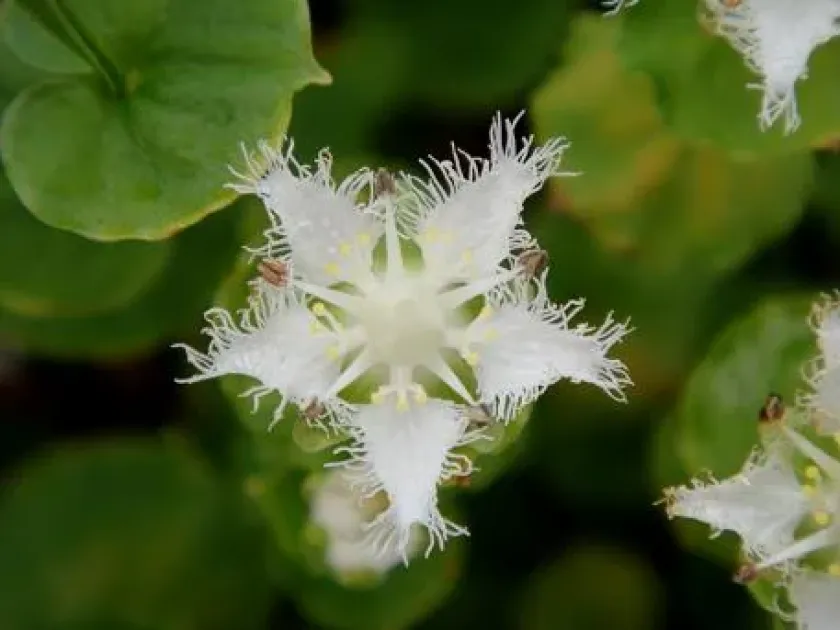
Description
Growing requirements
Leafy Parnassia (Parnassia foliosa) is a perennial herbaceous plant belonging to the Celastraceae family. Native to East Asia, including Japan and Korea, it typically thrives in high-moisture habitats such as alpine meadows, wet marshes, and along the banks of freshwater streams.
To successfully cultivate Parnassia foliosa, it is essential to mimic its natural environment. The plant requires a constantly moist, well-draining substrate rich in organic matter. Dry conditions are generally fatal, so gardeners should select sites near ponds or in naturally occurring wet patches.
The soil should be slightly acidic to neutral and porous. The root system is relatively shallow and sensitive, requiring a loose soil structure that avoids compaction. Adding compost or leaf mold during soil preparation helps maintain the necessary nutrient balance for healthy growth.
Climate requirements involve moderate temperatures and protection from intense direct sunlight. In a garden setting, partial shade is preferred, as high heat and excessive UV exposure can dehydrate the foliage quickly. Consistent humidity levels in the surrounding air are also highly beneficial.
Beyond its aesthetic value in landscape design, the plant is valued for its unique morphology. It is a rare addition to specialized gardens focusing on flora conservation. Agronomic studies focus on its vegetative propagation methods, as seed germination can be challenging in non-natural settings.
Main diseases and pests
Root rot is the primary threat to the health of Leafy Parnassia, particularly when the substrate becomes waterlogged and lacks oxygen. Ensuring proper soil structure and moderate drainage is the most effective preventative measure against pathogenic soil fungi.
Slugs and snails are major pests that frequently consume the succulent leaves of the plant. These pests are particularly active during damp weather, which coincides with the plant's peak growing season. Barriers such as crushed eggshells or environmentally friendly repellents are recommended.
Foliar diseases, such as leaf spot, may appear if the air circulation around the plant is restricted. When planting, maintain sufficient spacing between specimens to ensure that leaves dry off quickly after rain or irrigation, preventing the buildup of moisture-loving pathogens.
Aphids occasionally target the flower stalks, causing distortion of the blooms. If infestations occur, using mild insecticidal soaps or neem oil is recommended, as the plant may be sensitive to stronger chemical pesticides often used in large-scale agriculture.
Regular monitoring of the site is essential. By removing decaying leaves and debris, the gardener reduces the potential overwintering spots for various pests and fungal spores, promoting a healthier and more vigorous development of the plant throughout the season.