
Psidium acutangulum
Psidium acutangulum DC.
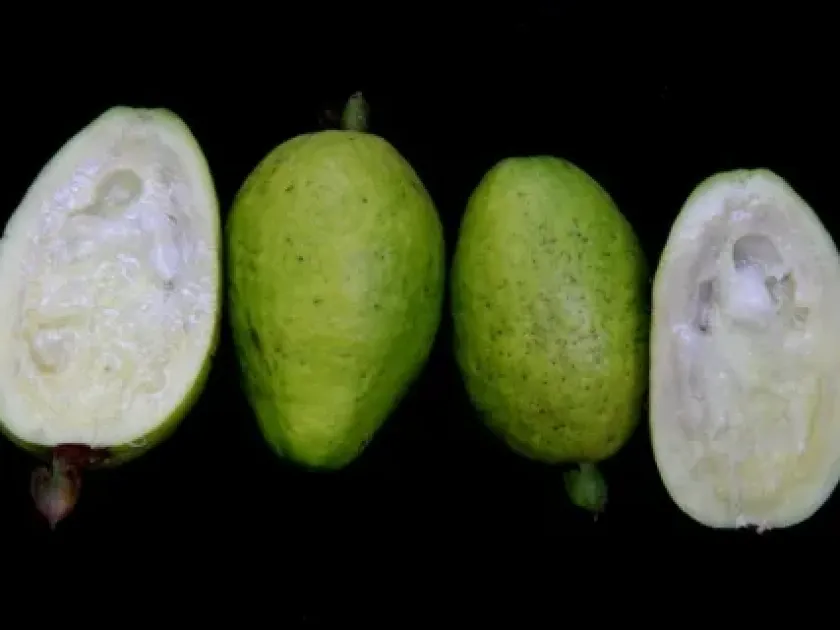
Description
Growing requirements
Psidium acutangulum is an evergreen tree or shrub belonging to the Myrtaceae family. It is distinguished by its unique winged or sharply angled stems, which serve as a primary identification feature for this species within the genus.
The plant originates from the tropical regions of South America, particularly the Amazon basin. It thrives in warm, humid climates and is highly sensitive to frost, which limits its commercial cultivation to frost-free tropical areas.
It requires rich, well-draining soil with a high content of organic matter. The root system is relatively shallow, necessitating consistent moisture levels while strictly avoiding waterlogged soil conditions that lead to root rot.
Optimal growth occurs under full sun, although young plants may benefit from partial shade to protect them from high-intensity tropical sunlight. Providing a stable environment with high humidity is crucial for maintaining foliage health.
Agricultural management involves regular mulching, weed control, and balanced nutrient application, especially during the peak growing season to ensure robust stem and leaf development.
Yield
The primary value of Psidium acutangulum lies in its edible fruits, which are popular in local culinary traditions. The pulp has a pleasant flavor, often used for making juices, jams, jellies, and desserts.
The fruits are noted for their nutritional profile, containing significant amounts of vitamin C, fiber, and various antioxidants. This makes them a valuable dietary component in regions where the plant is cultivated.
Productivity varies based on environmental conditions and the intensity of horticultural care. With good management, trees can produce substantial fruit yields within 3 to 5 years after planting.
Beyond culinary use, the tree is appreciated for its aesthetic value in tropical landscaping. Its dense foliage and attractive form make it a suitable choice for ornamental planting in public and private gardens.
While large-scale commercial production remains limited, interest in native fruit species is growing, potentially leading to better-standardized agricultural practices for this crop.
Main diseases and pests
The crop is vulnerable to various fungal diseases, such as anthracnose, which typically emerge during periods of high rainfall and stagnant humidity, affecting both leaves and young fruit.
Fruit flies represent a significant threat to yield, as they lay eggs in developing fruits. Integrated pest management strategies, including the use of pheromone traps and netting, are recommended to mitigate losses.
Scale insects and mealybugs can also infest the tree, sapping its vitality and promoting the growth of sooty mold on the leaves. Regular inspections and the application of appropriate biological controls are essential.
Pruning is a critical practice for disease prevention. By thinning the canopy, growers improve airflow and light penetration, reducing the conditions that favor fungal pathogen growth.
Maintaining proper distance between trees in a plantation setting is essential to limit the spread of pests and diseases across the orchard.
Harvesting
Harvesting Psidium acutangulum is a manual process, as the fruit does not mature simultaneously. Harvesters select fruits based on changes in skin color and the development of the characteristic aroma.
Great care must be taken during the harvesting process to prevent bruising or skin puncture. Damaged fruits exhibit rapid decay and are susceptible to fungal colonization in tropical climates.
Once picked, fruit should be kept in a cool, ventilated area to slow the maturation process. Proper post-harvest handling is key to maintaining fruit quality for local markets.
The harvest season often requires multiple passes, as the tree may bloom and fruit over an extended period, depending on the specific local climatic cycles.
Effective sorting after the harvest ensures that only healthy, high-quality fruits enter the supply chain, while preventing diseased specimens from affecting the rest of the batch.