
Strawberry Guava
Psidium cattleianum Sabine
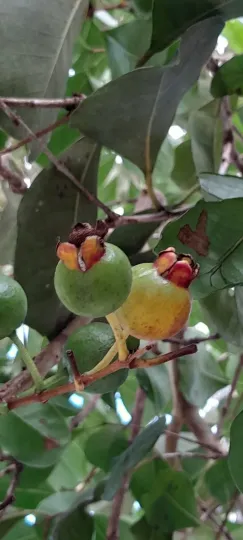
Description
Sowing dates
Strawberry Guava is primarily propagated through seeds or cuttings. When using seeds, they must be fresh, as their viability decreases significantly shortly after being removed from the fruit. Sowing should occur in a well-draining, nutrient-rich soil medium.
Germination is most successful when temperatures are maintained between 22 and 26 degrees Celsius. Providing high humidity through the use of propagation trays or covers ensures that the developing embryos have sufficient moisture to sprout.
Vegetative propagation via semi-hardwood cuttings is the preferred method for maintaining genetic consistency. Cuttings should be taken from vigorous, disease-free parent plants and treated with rooting hormones before being placed in a stable, moist substrate.
Transplanting seedlings requires caution, as the root system is delicate. Moving young plants into larger pots should be done with minimal root disturbance to prevent transplant shock, which can stunt the growth of the young tree.
Consistency in early development is crucial for healthy growth. Young plants require bright, indirect light until they are well-established, after which they can be gradually moved to a location with more direct sun exposure.
Growing requirements
As a member of the Myrtaceae family, the Strawberry Guava is a resilient evergreen shrub or small tree. It is highly valued for its dense foliage and its ability to adapt to container cultivation, making it a popular choice for home gardeners.
The plant thrives in subtropical climates, preferring consistent warmth and high levels of sunlight. It is sensitive to frost, and temperatures below freezing can cause significant damage to branches and foliage, necessitating protection in colder regions.
Soil requirements are relatively modest, provided the medium is well-draining. While it can tolerate various soil types, it performs best in slightly acidic to neutral soils enriched with organic matter, which supports vigorous vegetative growth.
Water management is the cornerstone of successful maintenance. The plant requires regular watering during the growing season but is highly susceptible to root rot if the soil remains waterlogged. Proper drainage in pots is essential.
Regular pruning is recommended to maintain the plant's shape and promote higher yields. By removing internal deadwood, gardeners improve airflow and light penetration, which are vital for healthy flower and fruit development.
Yield
Strawberry Guava is a prolific bearer of small, sweet, red-skinned fruits. Depending on the conditions, a mature plant can provide multiple harvests throughout the growing season, especially when grown in an ideal climate.
The yield potential is significantly enhanced by proper nutrient management. Balanced fertilizers, applied during the growth phase, provide the necessary elements for the plant to sustain its energy demands while producing fruit.
The fruits themselves are highly prized for their unique, strawberry-like flavor and high vitamin C content. They are versatile in the kitchen and can be consumed fresh or processed into preserves, jellies, and beverages.
Pollination success contributes to higher yields. While the species is largely self-fertile, having multiple plants or ensuring adequate insect activity can lead to a more consistent and abundant fruit set each season.
Yield management also involves thinning the fruit if the tree is overloaded. This practice prevents branch breakage and ensures that the remaining fruits reach an optimal size and sweetness before the harvest stage.
Main diseases and pests
Common pests include mealybugs and scale insects, which often congregate on the undersides of leaves and along stems. These pests can significantly weaken the plant if left untreated, leading to yellowing leaves and reduced vitality.
Spider mites are a frequent challenge in indoor or greenhouse settings where air is dry. These tiny pests weave webs and feed on plant sap, causing leaves to become speckled and eventually drop from the tree.
Fungal diseases, such as leaf spot, are often associated with high humidity and poor ventilation. Maintaining a clean growing environment and avoiding overhead watering can help mitigate these risks significantly.
Root rot, caused by overwatering or compacted soil, is the most lethal threat to Strawberry Guava. It is crucial to monitor soil moisture and ensure the plant is never sitting in standing water for extended periods.
- Inspect foliage weekly for signs of infestation.
- Use neem oil or insecticidal soap to control minor pest outbreaks.
- Promote good air circulation to prevent fungal growth.
- Prioritize drainage in all container potting mixes.
Harvesting
Harvesting should be performed when the fruit has fully changed color and yields slightly to gentle pressure. The fruit of the Strawberry Guava is relatively soft, necessitating a delicate touch to avoid bruising during collection.
Because the fruits mature at different rates throughout the tree, harvesting is usually a multi-step process rather than a single event. Regular visits to the tree during the ripening season ensure that every fruit is picked at its peak.
Post-harvest shelf life is relatively short, making immediate consumption or processing ideal. Storing the harvested fruit in a cool, dry place can extend their quality for a few days, but they are best enjoyed as fresh as possible.
Transporting the fruit requires careful handling. Using small, ventilated baskets or cushioned containers prevents the skin from breaking and helps maintain the integrity of the flesh during movement.
Once the season concludes, the plant enters a period of rest. This is the optimal time to perform maintenance pruning and to prepare the soil for the next growing cycle by applying a light dressing of organic compost.