
Common guava
Psidium guajava L.
Description
Growing requirements
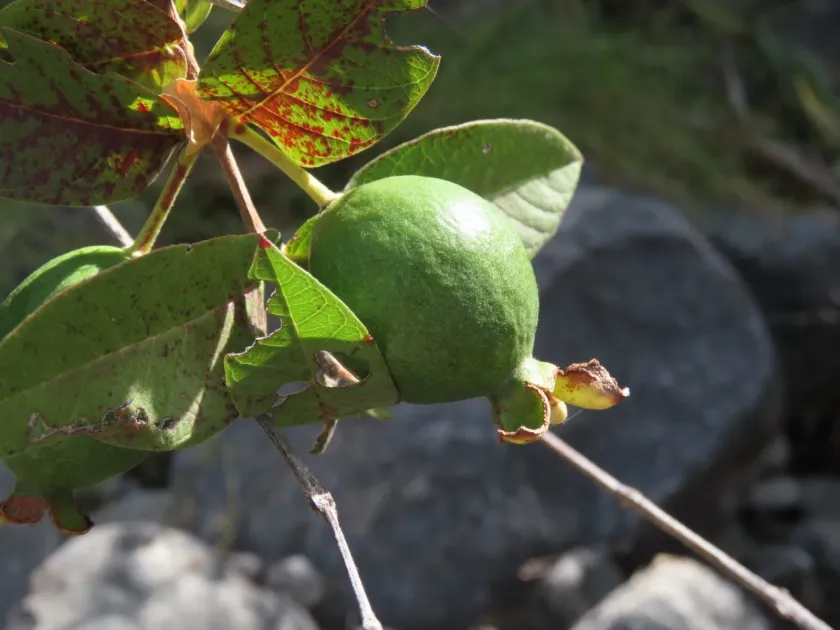
Common guava (Psidium guajava L.) is a prominent evergreen fruit tree belonging to the Myrtaceae family. Originally native to tropical America, it has been widely introduced across tropical and subtropical regions of the world due to its high adaptability and nutritional value.
The plant thrives in warm climates, ideally within a temperature range of 23°C to 30°C. While mature trees can tolerate brief cool spells, frost poses a significant risk to young plants and can cause severe damage to reproductive buds, making climate selection critical.
Cultivation requires well-draining soils ranging from sandy loams to clays, with an ideal pH between 5.5 and 7.0. Proper irrigation is essential during the dry seasons to maintain high fruit quality and ensure consistent growth cycles throughout the year.
Cultural management involves pruning techniques designed to shape the tree and encourage horizontal branch growth, which improves light penetration and harvesting accessibility. Fertilization programs must focus on balanced nitrogen, phosphorus, and potassium application to sustain production.
Guava fruit is highly valued for its dense concentration of vitamin C and dietary fiber. Beyond fresh consumption, the agricultural industry processes the fruit into juices, nectars, preserves, and flavorings, while the bark and leaves find secondary use in traditional medicine.
Yield
Yield capacity is high, with well-managed commercial orchards producing between 15 to 30 metric tons per hectare depending on the cultivar. Modern agricultural practices including high-density planting are increasingly used to maximize the economic output of this fruit crop.
Main diseases and pests
Pest pressure is a primary challenge for guava growers, with fruit flies being the most damaging insect in commercial operations. Infestations often require integrated pest management strategies, including the use of pheromone traps and cover sprays.
Fungal diseases like anthracnose can cause significant post-harvest losses, appearing as spots on ripening fruits. Soil-borne pathogens leading to wilt are also a serious concern, requiring strict quarantine measures, the selection of resistant rootstocks, and proper orchard drainage.