
Costa Rican guava
Psidium friedrichsthalianum (O. Berg.) Nied.
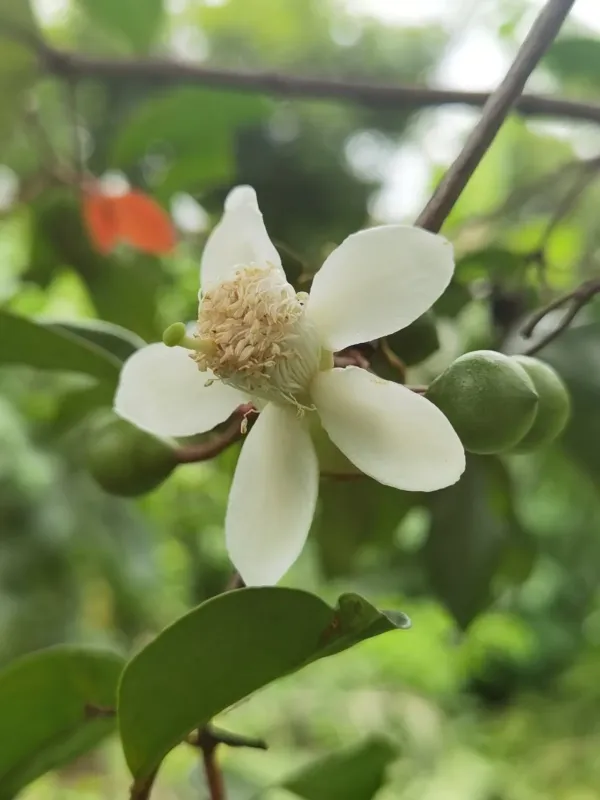
Description
Growing requirements
The Costa Rican guava (Psidium friedrichsthalianum) is a member of the Myrtaceae family. It is an evergreen shrub or small tree native to the tropical regions of Central America, specifically adapted to humid environments.
This crop thrives in tropical climates characterized by high temperatures ranging from 20 to 30 degrees Celsius. It requires a relatively consistent environment and prefers areas where rainfall is distributed throughout the year.
The soil requirements for the Costa Rican guava include well-drained, fertile soil. It is sensitive to waterlogging, so selecting a site with proper drainage is critical for root health and overall plant vigor.
Light availability is a primary factor in successful cultivation. The tree requires full sun exposure to maintain optimal vegetative growth and to produce fruits with the desired sugar concentration and intense flavor profile.
Regular maintenance involves soil enrichment with organic matter to ensure nutrient availability. Maintaining a neutral soil pH is highly recommended to prevent nutrient deficiencies that can affect the health of the tree.
Yield
The fruit of the Costa Rican guava is small, round, and highly aromatic, making it a valuable ingredient in the production of juices, jams, and various culinary preparations in its native region.
An established tree can produce a significant yield, often reaching tens of kilograms per season. The production potential is highly dependent on age, pruning practices, and the overall nutritional status of the soil.
Harvesting is performed manually as the fruit reaches physiological maturity, indicated by the skin color change. Careful handling is necessary due to the delicate nature and thin skin of the fruit.
Post-harvest management is a critical aspect of this crop, as the fruit has a short shelf life. Immediate processing into pulp or bottled products is standard practice to maintain product quality.
Effective pruning cycles help in managing the plant height and promoting the development of new fruiting branches, which is essential for sustaining long-term productivity and ease of harvesting.
Main diseases and pests
Common threats to this crop include fruit fly infestations, which can cause significant damage to the ripening harvest. Growers often employ integrated pest management, including traps, to minimize the impact of these pests.
Fungal infections are prevalent in conditions of poor air circulation and high humidity. Maintaining an open canopy through regular pruning is the primary defensive measure against leaf spot and other fungal diseases.
Root rot caused by stagnant water or soil-borne pathogens remains a serious concern for plantations. Proper site selection and avoiding excessive irrigation are key to preventing these types of issues.
Scale insects and aphids may occasionally infest young shoots, necessitating periodic monitoring. If outbreaks occur, horticultural oils or specialized insecticides are used to control the spread.
Healthy plant management includes providing proper nutrition and avoiding stress, which significantly increases the tree's natural resistance to pests and diseases common in the tropical zone.