
Paphiopedilum venustum
Paphiopedilum venustum
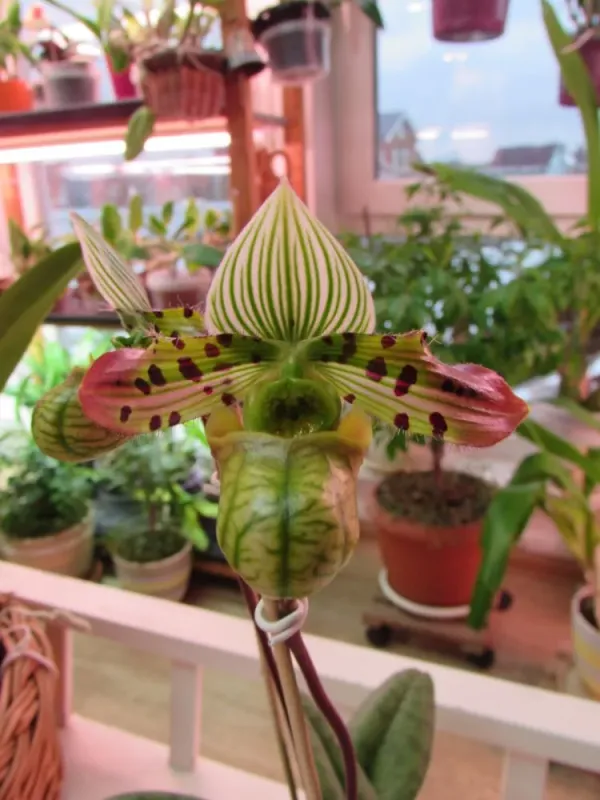
Description
Growing requirements
Paphiopedilum venustum is a distinguished member of the Orchidaceae family. Native to the Himalayan region, this species is highly valued for its striking mottled foliage and unique flower architecture, often referred to as the lady's slipper orchid.
Optimal growth requires a climate mimicking its natural montane forest habitat. Temperatures should be kept moderate, ideally ranging between 18°C and 25°C, with a slight cooling period at night to trigger successful flowering cycles.
Light intensity is a critical factor for this crop. It thrives in filtered or indirect light conditions; excessive solar radiation can lead to dehydration and chlorosis of the specialized leaves, significantly reducing aesthetic and physiological quality.
The substrate must provide high aeration and moisture retention. A mixture of pine bark, charcoal, and perlite is recommended. This composition allows for efficient gas exchange around the root system while preventing substrate compaction over time.
Hydration management requires precision. Plants should be watered when the top layer of the substrate feels slightly dry. High humidity levels, ideally around 65-75%, are essential to support the vegetative vigor of the plant throughout the growing season.
Main diseases and pests
Pathogen pressure is primarily associated with improper irrigation practices. Root rot, caused by waterlogged substrates, remains the most frequent cause of plant decline, often linked to opportunistic fungal attacks by Oomycetes.
Sucking insects, including mealybugs and scale insects, pose a significant threat to leaf vitality. These pests congregate in leaf axils, creating localized damage and promoting the growth of sooty mold on the leaf surfaces.
Spider mites are common in environments with insufficient airflow and low humidity. Their feeding habits cause stippling on leaves, leading to severe debilitation and a reduction in the overall photosynthesis efficiency of the orchid.
Integrated pest management strategies involve the use of horticultural oils and targeted systemic insecticides. Avoiding stagnant air and ensuring good ventilation is the primary cultural practice to prevent outbreaks of both mites and fungal pathogens.
Regular monitoring of the rhizosphere and foliage is necessary for early detection. Maintaining strict sanitation standards, such as cleaning surfaces and sterilizing pots between cycles, prevents the buildup of soil-borne pathogens.