
Paphiopedilum armeniacum
Paphiopedilum armeniacum
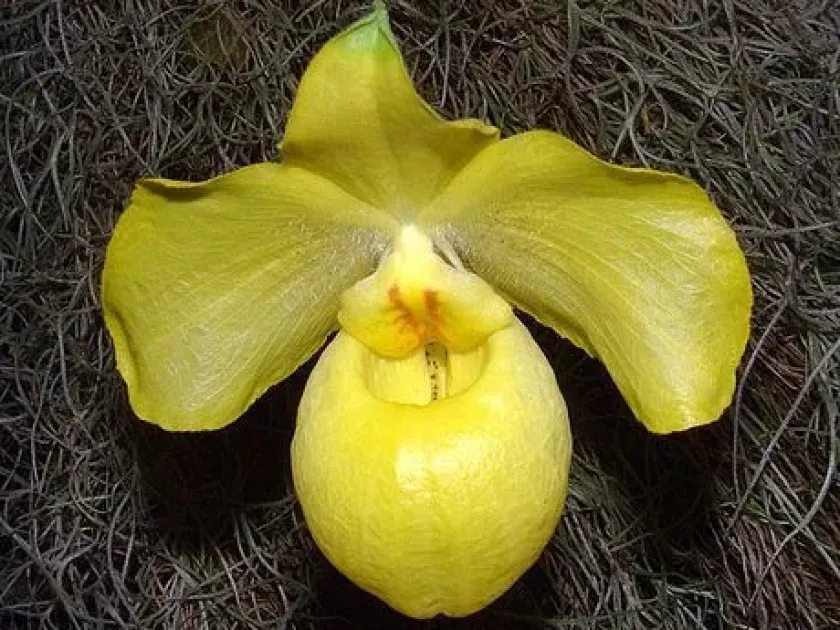
Description
Growing requirements
Paphiopedilum armeniacum is a rare orchid species belonging to the Orchidaceae family, native to the limestone cliffs of Yunnan, China. This plant grows as a lithophyte, meaning it thrives in rocky environments with specialized drainage needs.
The core requirement for successful cultivation is a substrate that mimics natural limestone habitats. Growers must include limestone chips or dolomite in the potting mix to maintain a slightly alkaline pH, which is essential for the nutrient absorption profile of this specific orchid.
Environmental control demands bright, diffused light rather than direct exposure. During the shorter winter days, supplemental artificial lighting is highly recommended to maintain the plant's metabolic rate and support the development of floral buds.
Humidity and airflow must be strictly regulated. The orchid requires high ambient humidity, generally around 60–70%, combined with consistent air movement to prevent the stagnation of moisture around the foliage and the crown.
Diurnal temperature variation is crucial for the biological stimulation of this species. Maintaining a temperature drop of at least 5–8 degrees Celsius at night compared to the day is essential to trigger the flowering process and ensure overall vigor.
Main diseases and pests
Root rot is the most significant threat to Paphiopedilum armeniacum, typically caused by waterlogged substrates or poor aeration. If the roots cannot respire, they rapidly succumb to anaerobic conditions and fungal attacks.
Spider mites are common pests that thrive in low-humidity conditions. These pests pierce the leaf tissue to feed on sap, which weakens the plant and serves as an entry point for various bacterial and viral pathogens.
Leaf spot diseases are frequently encountered when moisture remains trapped in the leaf axils for extended periods. Sanitation and prompt removal of infected leaves are vital to preventing the spread of the infection throughout the entire collection.
Over-fertilization can lead to root burn and increased susceptibility to diseases. Because this species is a relatively slow grower, it requires a diluted, balanced fertilizer applied sparingly during the active growth season.
Preventative maintenance, including the use of systemic fungicides and regular inspection of the crown area, is necessary to keep the orchid healthy. Establishing a quarantine protocol for new plants is a standard professional practice to avoid cross-contamination.