
Paphiopedilum callosum
Paphiopedilum callosum
Description
Growing requirements
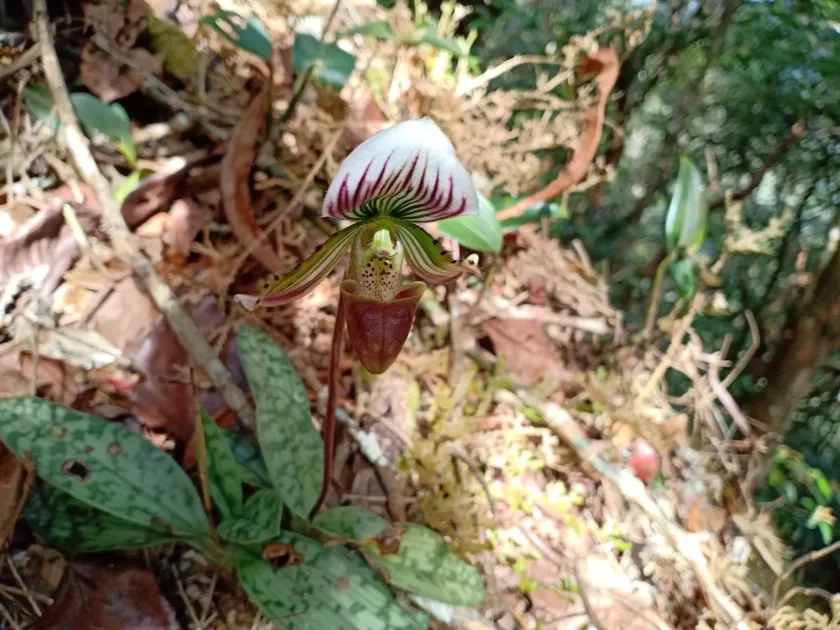
Paphiopedilum callosum is a notable species within the Orchidaceae family, characterized by its distinct mottled leaves and a solitary, striking pouch-like flower. Originating from the humid forests of Thailand, Vietnam, and surrounding regions, it is a terrestrial orchid that thrives in shaded, nutrient-rich environments.
To ensure optimal development, the climate must be strictly controlled to mimic its native tropical habitat. The cultivation temperature should ideally range between 22°C and 26°C during the day, with a significant drop to approximately 16°C at night to induce healthy flowering cycles.
The choice of growing medium is vital for this orchid. A standard mix should be highly porous, consisting of coniferous bark, coarse perlite, and a small amount of charcoal. This structure ensures that oxygen reaches the roots while preventing water stagnation, which is detrimental to the plant's health.
Water quality is a critical aspect of agricultural management for this species. It is highly sensitive to mineral buildup; therefore, using purified or rainwater is recommended. The substrate should remain consistently moist but never waterlogged to protect the sensitive root tips from rot.
Proper ventilation is just as essential as light and moisture. Good air circulation prevents the accumulation of stagnant humidity around the crown and leaf base, significantly reducing the risk of fungal outbreaks in the greenhouse or indoor growing environment.
Main diseases and pests
The primary pests affecting this crop include spider mites, mealybugs, and scale insects. These pests thrive in dry environments, necessitating regular monitoring of the foliage and, if necessary, the application of targeted biological or chemical control agents to maintain plant vigor.
Bacterial soft rot and fungal leaf spot are common diseases caused by high humidity combined with poor airflow. Maintaining clean growing conditions, disinfecting tools, and ensuring rapid drying of the leaves after watering are fundamental practices to mitigate these risks effectively.