
Paphiopedilum beyrodtianum
Paphiopedilum beyrodtianum
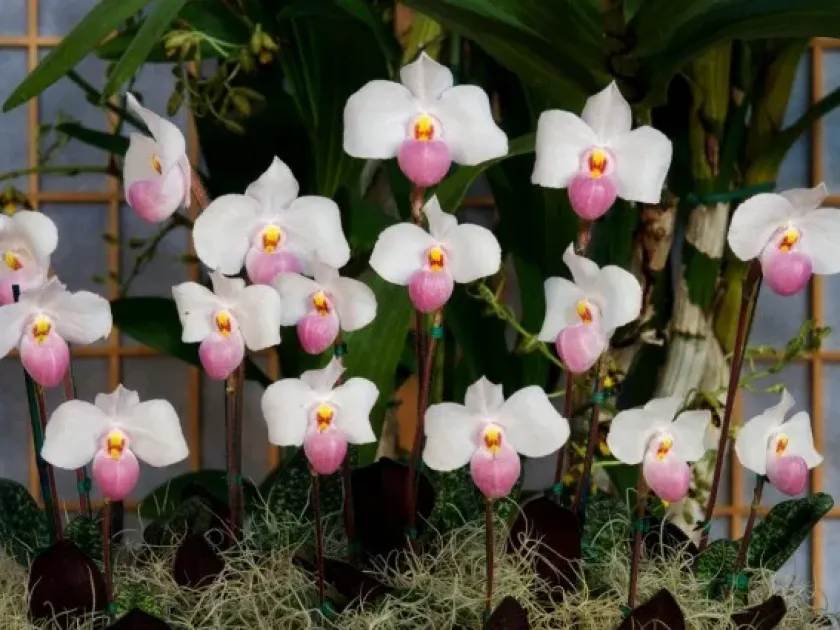
Description
Growing requirements
Paphiopedilum beyrodtianum is a distinctive member of the Orchidaceae family, renowned for its slipper-shaped flowers. As a sympodial orchid, it requires specific environmental conditions to maintain healthy growth and regular blooming cycles.
The species originates from the tropical regions of Southeast Asia. In a cultivation environment, growers must simulate these natural conditions by maintaining stable temperatures between 18°C and 25°C and high relative humidity levels.
The choice of substrate is critical for this species; it requires a well-draining mixture composed of pine bark, charcoal, perlite, and occasional additives like sphagnum moss to balance water retention and aeration.
Lighting requirements are specific, favoring bright, filtered light rather than direct sunlight. In professional greenhouses, artificial shading is employed to prevent leaf scorching and to manage the intensity of solar radiation.
Irrigation must be managed carefully to ensure the roots remain moist but never waterlogged. High-quality, low-mineral water is preferred to prevent salt accumulation in the root zone, which can be detrimental to the plant.
Main diseases and pests
Fungal pathogens represent the most significant threat to the health of the collection, particularly those affecting the root system. Proper airflow is essential to prevent these organisms from establishing colonies.
Common pests include spider mites and mealybugs, which thrive in protected greenhouse environments. Regular scouting and integrated pest management strategies are necessary to keep infestation levels below economic thresholds.
Bacterial soft rot can occur if moisture persists in the leaf axils for extended periods. Applying systemic fungicides and ensuring the foliage is dry before nightfall are effective preventative measures.
Viral infections, although less common, pose a severe risk as they are systemic and irreversible. Strict sanitation, including the sterilization of cutting tools, is vital for maintaining a healthy nursery.
Cultural stress, such as improper fertilization or temperature spikes, can significantly weaken the plant, making it more susceptible to opportunistic pathogens. A consistent and balanced nutrition program is the best defense.