
Paphiopedilum spicerianum
Paphiopedilum spicerianum
Description
Growing requirements
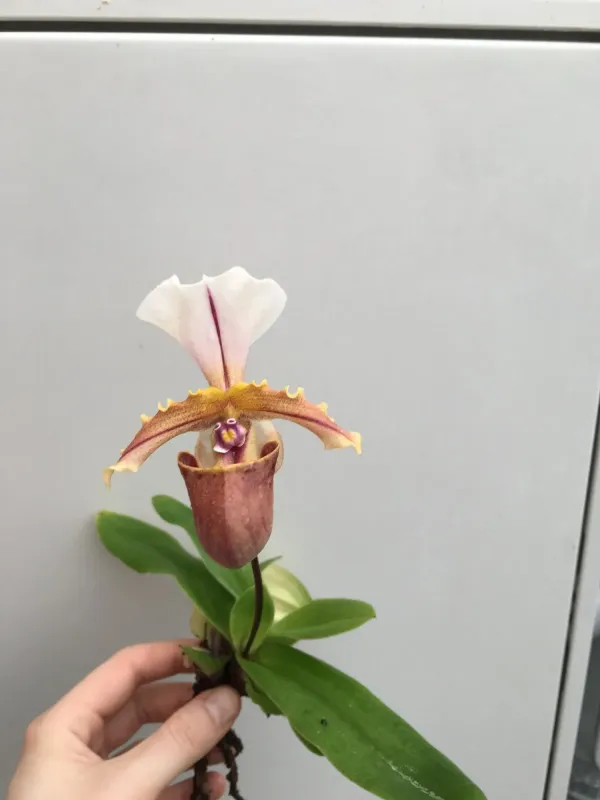
Paphiopedilum spicerianum is a species of the Orchidaceae family, originating from the mountainous regions of Assam, India. It is highly valued in horticulture for its distinct white dorsal sepal and unique floral architecture, which makes it a frequent parent in orchid hybridization.
The plant typically grows on limestone cliffs, requiring a specific substrate composition in cultivation. A mix of pine bark, perlite, and crushed limestone or dolomite is recommended to maintain the slightly alkaline pH that the species thrives in during its natural development.
Environmental conditions must mimic its cloud forest habitat. This includes high atmospheric humidity, typically around 60% to 75%, and excellent air circulation to prevent the buildup of moisture in the leaf axils, which can lead to rapid tissue decay.
Temperature management is critical; the species prefers cool to intermediate conditions. Daily variations in temperature, with a cooler night phase, are essential to stimulate healthy vegetative growth and the subsequent development of the inflorescence.
Proper hydration involves using purified or rain water, as the species is sensitive to mineral buildup. Watering should be frequent enough to keep the medium moist but not waterlogged, ensuring that the roots have access to oxygen at all times to prevent rot.
Main diseases and pests
Root rot is the most common threat to this culture, primarily caused by poor drainage or stagnant water conditions. To mitigate this, growers should use breathable pots and choose a coarse-textured substrate that allows for rapid excess water runoff.
Spider mites represent a major pest risk, especially in environments where humidity levels are not strictly maintained. These pests can cause significant damage to the foliage, resulting in yellowing and a reduction in the plant's photosynthetic capacity.
Mealybugs are another common challenge, often hiding in the dense base of the plant or around the flower spike. Regular monitoring and the application of mild horticultural oils or systemic insecticides help keep these infestations under control.
Fungal leaf spot diseases may occur if water remains on the leaves for extended periods. To avoid this, irrigation should be focused on the substrate level, and any water splashing onto the foliage should be wiped off immediately.
General hygiene in the greenhouse is vital to prevent the spread of pathogens. This includes cleaning surfaces, quarantine for new specimens, and the strict use of disinfected cutting tools when dividing established clumps of this precious orchid species.