
Paphiopedilum rothschildianum
Paphiopedilum rothschildianum
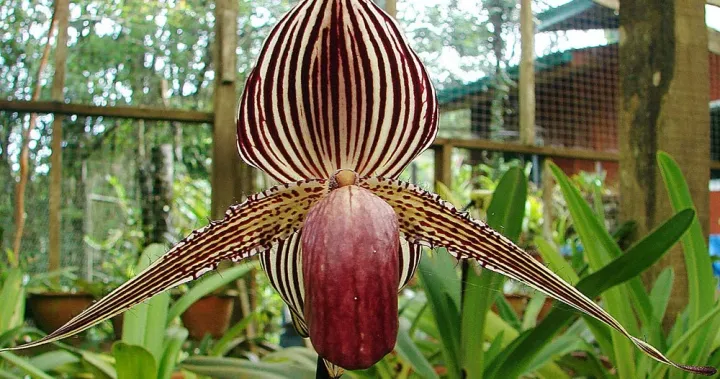
Description
Growing requirements
Paphiopedilum rothschildianum, a prestigious member of the Orchidaceae family, is widely regarded as one of the most magnificent orchid species. Originating from the dense, misty rainforests of Mount Kinabalu in Borneo, this plant naturally thrives on limestone cliffs, where it benefits from cool breezes and high moisture levels.
To successfully cultivate this species, growers must replicate its high-altitude habitat requirements. The plant demands a temperature range of 22 to 28 degrees Celsius during the day, with a slight nocturnal drop to around 16–18 degrees Celsius. Stable temperatures are crucial for long-term health and the development of its massive, multi-flowered stems.
The substrate selection is a critical factor for success. Unlike many epiphytes, this species benefits from a slightly alkaline environment provided by including limestone or dolomite chips in the potting mix. A well-draining medium consisting of high-quality fir bark, perlite, and charcoal ensures that the roots receive both moisture and adequate aeration.
Lighting should be bright but filtered to prevent leaf scorching, which this species is particularly susceptible to. In indoor cultivation, providing 10,000 to 15,000 lux is generally sufficient. If the light intensity is too low, the plant will grow vegetative mass but fail to trigger the reproductive stage necessary for flowering.
Watering requires a delicate balance; the potting mix should remain moist but never waterlogged. Providing pure, filtered water is essential, as the roots are highly sensitive to mineral accumulation. Regular fertilizing with a balanced, low-concentration orchid fertilizer is recommended during the growing season to support its vigorous growth.
Main diseases and pests
The most common threats to Paphiopedilum rothschildianum are fungal and bacterial infections, often exacerbated by stagnant air and excessive moisture. Root rot is a significant danger, quickly destroying the root system if the medium remains saturated or lacks oxygen.
Pests such as mealybugs, spider mites, and scale insects frequently target these plants. These parasites often hide in the tight axils of the leaves, making them difficult to detect until a significant infestation has occurred, leading to stunted growth and damaged foliage.
Integrated pest management is recommended, starting with manual removal of pests followed by the use of targeted biological or chemical controls. Always ensure that the cleaning agents used for foliage are non-toxic to the orchid, and avoid applying heavy oils that might clog the leaf pores.
Environmental stress, such as sudden humidity drops or temperature spikes, can weaken the plant, making it more susceptible to opportunistic pathogens. Monitoring the plant's health through regular inspection of the crown and root zone is the best preventative strategy.
Hygiene is paramount in orchid culture. Using sterilized tools during repotting or pruning prevents the transmission of viruses and bacteria. Proper air circulation provided by small fans is the most effective way to dry foliage after watering and prevent the development of harmful molds.