
Paphiopedilum purpuratum
Paphiopedilum purpuratum
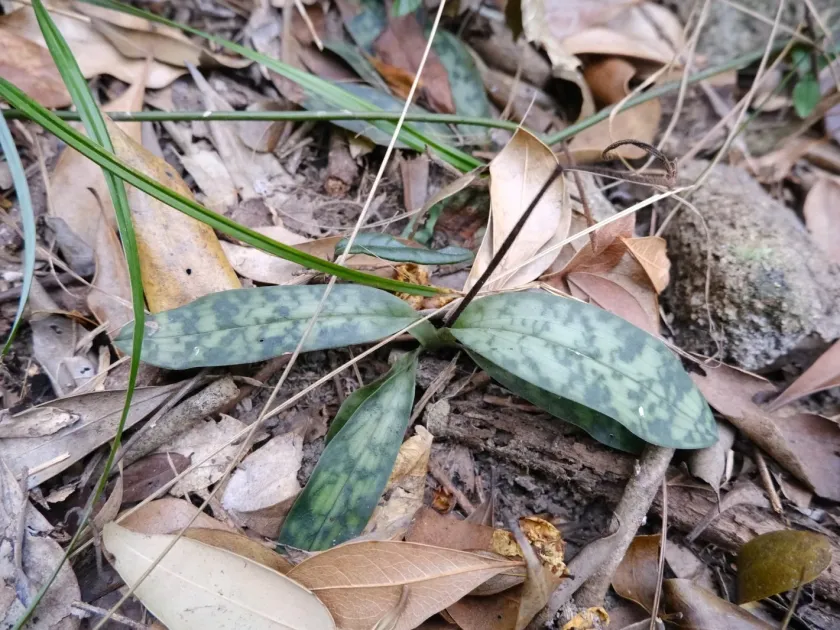
Description
Growing requirements
Paphiopedilum purpuratum belongs to the Orchidaceae family and is recognized as a distinctive lithophytic orchid native to the rocky landscapes of Southern China and Hong Kong. It is highly valued in horticulture for its unique purple-veined dorsal sepal and mottled foliage.
Successful cultivation requires a stable, warm climate. The ideal temperature range is between 22–26 degrees Celsius during the day, with a necessary drop to 16–18 degrees at night. This diurnal temperature variation is essential for triggering the plant's flowering cycle.
The substrate must be well-draining and airy. A standard orchid mix consisting of pine bark, charcoal, perlite, and a small amount of horticultural dolomite is ideal to maintain a slightly acidic environment and prevent root rot.
High humidity levels, ranging from 70% to 80%, are crucial for this species. To achieve this, growers often use humidity trays or automatic misting systems, ensuring that there is constant airflow to prevent fungal buildup.
Watering should be done with filtered or distilled water. It is important to keep the potting medium moist but never soggy. The crown of the plant must remain dry at all times to prevent crown rot, which is a common fatal condition in this genus.
Main diseases and pests
The primary threats to Paphiopedilum purpuratum are fungal and bacterial infections, often caused by stagnant air or water trapped in the foliage. Prompt removal of infected tissue and treatment with fungicides is necessary if symptoms appear.
Common pests include spider mites, mealybugs, and scale insects. These pests thrive in dry conditions and can cause severe damage by feeding on the plant's sap, which may lead to the spread of viral infections between plants.
Effective pest management involves regular visual inspections and the application of insecticidal soaps or systemic pesticides when necessary. Maintaining high levels of hygiene in the growing space is the best preventative strategy.
Salt accumulation from fertilizers is another concern for this species. Using a balanced fertilizer at one-quarter strength once a month is recommended, with a thorough flushing of the substrate with pure water to remove residual minerals.
Repotting every two years is a vital practice for maintaining plant health. Old, decomposing bark loses its structural integrity and pH balance, which can lead to rapid root decay if not addressed in time.