
Paphiopedilum leeanum
Paphiopedilum leeanum
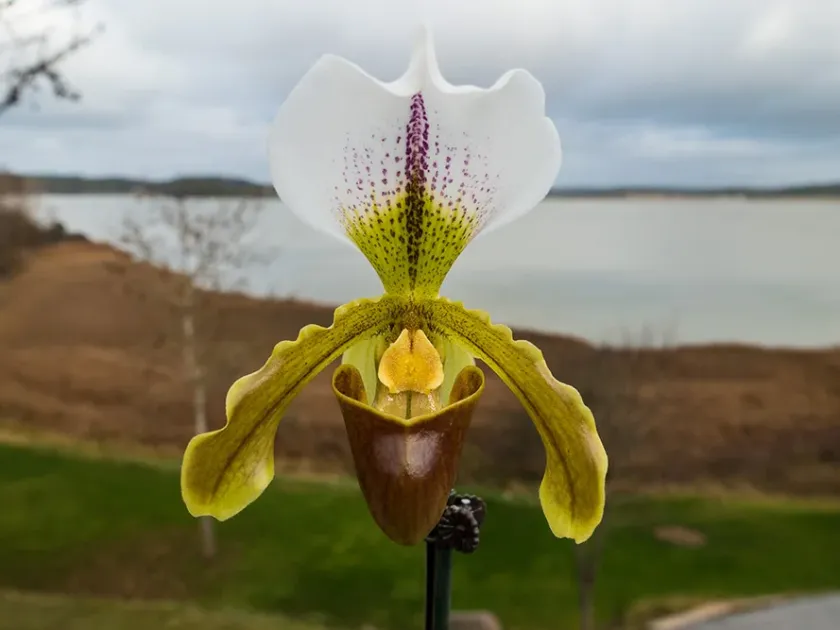
Description
Growing requirements
Paphiopedilum leeanum is a distinguished primary hybrid belonging to the Orchidaceae family. It is a prized horticultural crop valued for its unique flower morphology and ease of adaptation within controlled environments such as greenhouses and residential glasshouses.
The native distribution of its parent species is centered in the tropical regions of Southeast Asia. As a crop, it thrives in moderate temperatures, typically requiring a diurnal range between 18°C and 24°C, with a slight nocturnal drop to stimulate floral development.
Soil requirements for this orchid differ significantly from standard field crops. It requires an epiphytic substrate mix consisting primarily of fir bark, charcoal, and perlite. This medium must facilitate rapid drainage while maintaining sufficient moisture retention for the root system.
Cultural practices include providing diffused sunlight and high ambient humidity. Unlike terrestrial plants, this crop relies on frequent but measured watering to ensure that the roots do not remain permanently saturated, which is essential for maintaining root health and vigor.
In terms of agricultural utility, Paphiopedilum leeanum serves as a premium ornamental product. Its commercial value is derived from its aesthetic appeal, long-lasting blooms, and popularity among orchid hobbyists and botanical institutions worldwide.
Main diseases and pests
The primary threats to Paphiopedilum leeanum health include pathogenic fungi such as Pythium and Rhizoctonia, which cause root rot under conditions of excessive moisture and poor air circulation. These diseases are the leading cause of plant mortality in intensive culture.
Insect pests such as spider mites and mealybugs present significant risks. These organisms thrive in low-humidity environments, damaging leaf tissues and weakening the plant's metabolic capacity, which eventually leads to reduced floral output.
Bacterial soft rot is a severe threat that manifests as rapidly spreading, mushy lesions on leaves. Strict sanitation protocols, including the sterilization of tools and the isolation of infected plants, are mandatory to prevent the spread of bacteria through the crop.
Nutrient toxicity, often caused by over-fertilization, can result in leaf tip necrosis. Adhering to a balanced, low-concentration fertilizer regimen specifically formulated for orchids is critical to avoiding chemical stress and maintaining long-term crop productivity.
Ongoing monitoring is the most effective strategy for managing threats. Growers should implement a preventative program that includes regular inspection, climate adjustment, and targeted chemical applications only when population thresholds of pests are exceeded.