
Paphiopedilum hybrids
Paphiopedilum hybrids
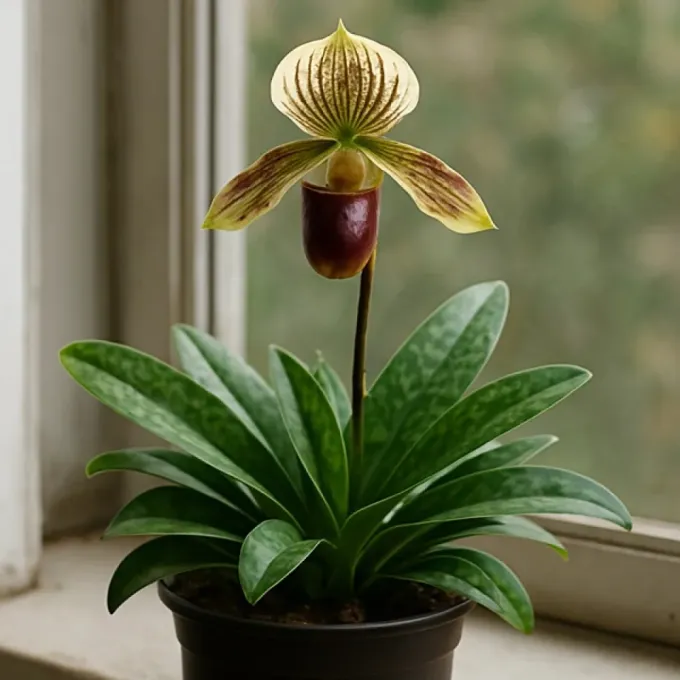
Description
Growing requirements
Paphiopedilum hybrids are complex horticultural creations belonging to the Orchidaceae family. These orchids are highly valued in the floriculture industry for their exotic, long-lasting flowers, which exhibit a wide range of colors, patterns, and textures resulting from extensive hybridization.
The ancestral species originated in the tropical regions of Southeast Asia, where they typically grow as lithophytes or terrestrial plants in humus-rich forest floors. This specific adaptation dictates the need for specialized growing conditions when cultivated in containers.
Temperature management is critical for the success of these hybrids. They generally prefer intermediate temperatures, typically ranging between 18°C and 25°C. Many hybrids require a diurnal temperature fluctuation, which stimulates the initiation of flower spikes and overall plant vigor.
Growth medium must be highly porous to ensure efficient drainage. A blend of high-quality fir bark, perlite, and sphagnum moss is considered the gold standard, providing both moisture retention and the necessary oxygen circulation for the sensitive root system.
Watering frequency should be adjusted based on the plant's growth stage and the environmental conditions of the growing area. It is essential to keep the medium consistently damp but never waterlogged, ensuring that the roots are not left in stagnant water for prolonged periods.
Main diseases and pests
Common pests affecting Paphiopedilum hybrids include aphids, spider mites, and scale insects. These organisms thrive in dry air and can cause significant damage to foliage and developing flower buds, requiring immediate application of appropriate horticultural oils or systemic insecticides.
The most severe threats are root and stem rots caused by various fungi and bacteria like Erwinia. These conditions are often induced by poor hygiene and improper watering techniques. Implementing good airflow and using high-quality, sterile growing media are the primary preventive measures.