
Paphiopedilum haynaldianum
Paphiopedilum haynaldianum
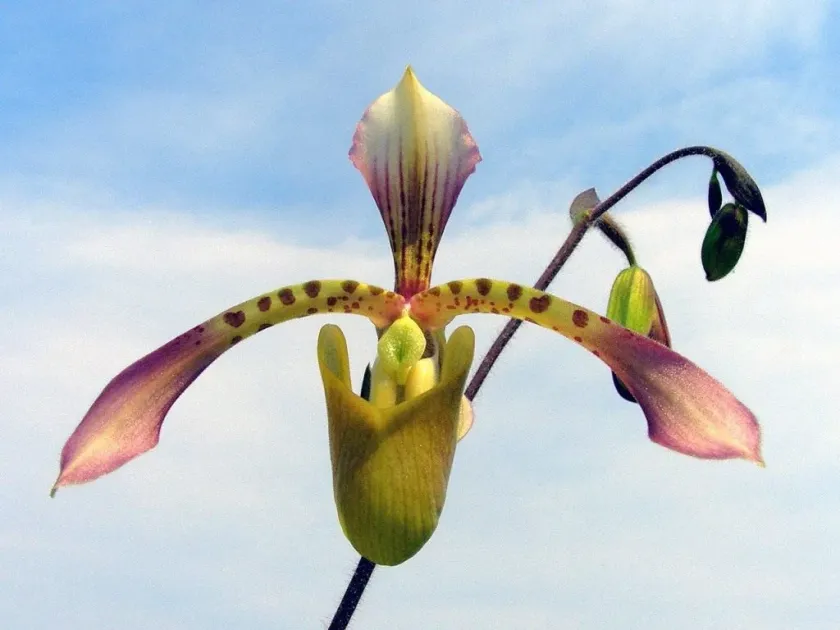
Description
Growing requirements
Paphiopedilum haynaldianum is a spectacular orchid species from the Orchidaceae family. It is a lithophytic or epiphytic plant native to the tropical forests of Luzon island in the Philippines. For successful cultivation, it is essential to replicate the conditions of a tropical mountain forest with excellent air circulation.
This crop prefers temperatures ranging from +18 to +26 degrees Celsius. Providing a diurnal temperature variation is crucial to stimulate active growth and floral bud initiation. Exposure to temperatures consistently below +15 degrees can cause significant stress and inhibit the development of the root system.
The plant requires high atmospheric humidity, with optimal levels between 60% and 80%. Proper ventilation is mandatory, as stagnant air promotes fungal growth within the leaf rosette. Lighting should be bright but filtered, with an intensity of approximately 15,000 to 20,000 lux for optimal photosynthetic efficiency.
The substrate must consist of a well-draining mixture, such as conifer bark, charcoal, and sphagnum moss, to ensure root aeration. The growing medium should remain moist but never waterlogged; irrigation must be performed with soft, room-temperature water. A high-quality drainage layer is necessary to prevent water retention.
The primary economic use of this species is in the ornamental plant sector and botanical breeding. Due to its large, dramatic inflorescences bearing 3–5 flowers, it is highly valued as a show plant and a genetic resource for hybridizing new, improved orchid varieties with high aesthetic appeal.
Main diseases and pests
Key threats to this crop arise from improper irrigation, which triggers fungal and bacterial rot. Excessive moisture often leads to root and crown rot caused by pathogens like Fusarium, requiring the immediate excision of diseased tissue and the application of appropriate systemic fungicides.
Common pests, including spider mites and scale insects, frequently infest orchids when kept in low-humidity environments with poor airflow. Regular monitoring of leaf surfaces is recommended, and the application of specific insecto-acaricides should be implemented immediately upon the detection of any pest activity.