
Paphiopedilum godefroyae
Paphiopedilum godefroyae
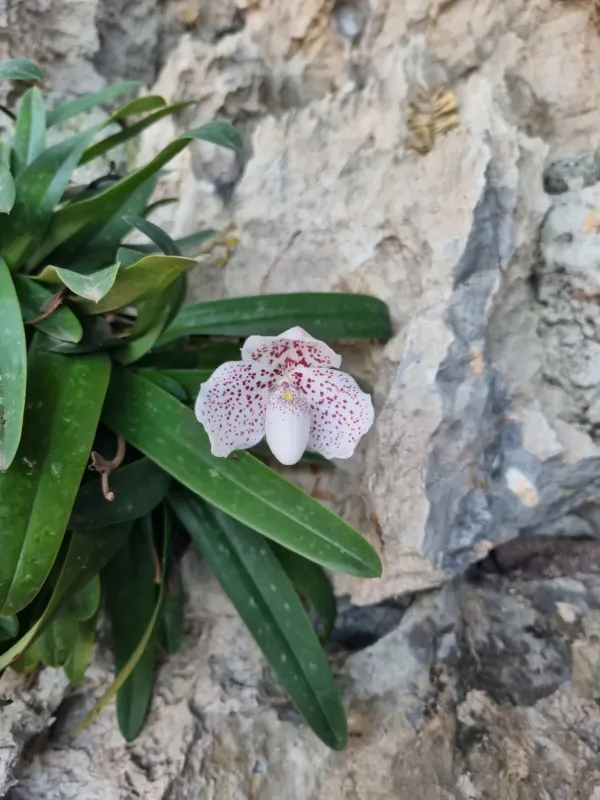
Description
Growing requirements
Paphiopedilum godefroyae is a remarkable species within the Orchidaceae family, native to the limestone cliffs of Southeast Asia. This lithophytic orchid is prized for its intricately spotted flowers and distinct foliage, requiring specialized conditions that mimic its natural mountainous habitat.
To cultivate this species successfully, one must maintain an environment with consistent moderate temperatures, ideally between 20°C and 25°C. Providing a slight temperature drop at night can significantly improve the plant's vigor and promote healthy inflorescence development.
The choice of substrate is paramount for the health of Paphiopedilum godefroyae. A mix containing pine bark, perlite, charcoal, and a significant portion of limestone or crushed shells is necessary to maintain the slightly alkaline pH that these plants prefer.
Light requirements involve bright, filtered sunlight. Exposure to direct midday sun must be avoided at all costs, as the leaves are highly susceptible to scorching. A curtain or frosted glass can provide the necessary diffusion for optimal photosynthesis.
Hydration management requires keeping the substrate moist but never waterlogged. High humidity levels, combined with excellent air movement, are critical to prevent the stagnation that leads to bacterial infections in the orchid's crown.
Main diseases and pests
The primary threats to Paphiopedilum godefroyae include fungal infections such as root rot and stem rot, which are often triggered by improper watering practices. Inadequate drainage in the pot usually results in rapid decline of the plant's root system.
Pests like spider mites and mealybugs represent a significant concern for indoor collections. These pests thrive in dry conditions and can quickly infest the leaf axils, draining the plant of essential nutrients and weakening its resistance to other diseases.
Effective pest control involves a combination of mechanical removal and the use of targeted acaricides or systemic insecticides. Always test treatments on a single leaf before applying them to the entire plant to ensure no phytotoxic reaction occurs.
Bacterial soft rot is particularly dangerous for this species. If identified, the infected areas should be excised with sterilized tools, and the plant treated with specialized antifungal agents to contain the spread of the pathogen.
Preventative care also involves maintaining a strict sanitation routine, which includes keeping the growing area clean and ensuring that any new plants added to the collection are quarantined before being introduced to the main group.