
Paphiopedilum glaucophyllum
Paphiopedilum glaucophyllum
Description
Growing requirements
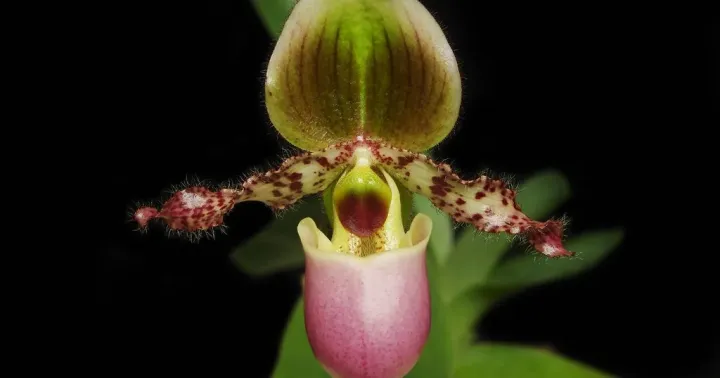
Paphiopedilum glaucophyllum belongs to the Orchidaceae family and is native to the island of Java, Indonesia. This plant is a popular representative of the slipper orchids, prized for its unique foliage and successive blooming habit.
The climate requirements for this species include steady tropical temperatures, ideally ranging between 18 and 25 degrees Celsius. It thrives in humid environments, requiring 60 to 80 percent relative humidity to remain healthy throughout the year.
The potting medium must be porous and well-drained to provide oxygen to the roots. A standard mix includes bark, perlite, and charcoal, with some growers adding limestone chips because this species is often found on limestone cliffs in its native habitat.
Lighting should be bright but indirect to prevent leaf scorch. Providing a day length of at least 12 hours promotes vigorous growth and helps in the formation of new inflorescences during the active season.
Watering is a critical aspect of care; the substrate should be kept consistently moist but never waterlogged. Using high-quality, low-mineral water is essential to prevent the accumulation of salts that can damage sensitive orchid roots.
Main diseases and pests
Bacterial soft rot is a major threat to this orchid, often triggered by water trapped in the leaf axils. Ensuring good air circulation around the plant is the best preventive measure against this aggressive infection.
Spider mites are common pests that thrive in dry air, causing stippling and yellowing of the leaves. Maintaining proper humidity levels usually discourages these pests from establishing colonies on the foliage.
Mealybugs can hide in the crevices of the plant, sucking sap and weakening the orchid. These pests should be treated with systemic insecticides or removed manually with cotton swabs dipped in alcohol.
Root rot, caused by degraded substrate or poor drainage, manifests as wilting despite adequate moisture. It is imperative to replace the potting medium every 1-2 years to maintain soil structure and aeration.
Thrips may target the developing flower buds, leading to malformed or scarred blooms. Constant monitoring and the use of sticky traps are effective strategies for managing these small, damaging insects.