
Paphiopedilum delenatii
Paphiopedilum delenatii
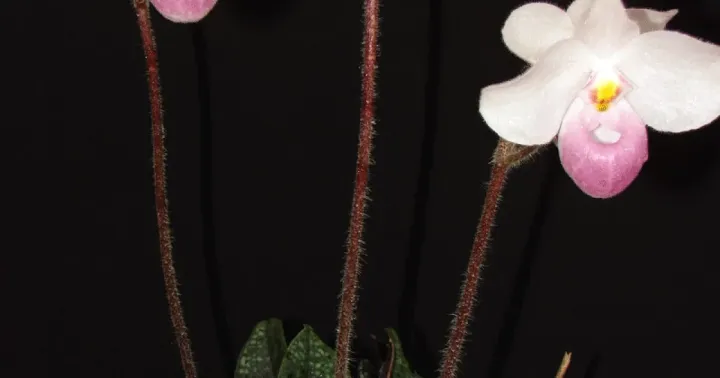
Description
Growing requirements
Paphiopedilum delenatii is a prized species within the Orchidaceae family, originating from the granite mountains of Vietnam. Known for its distinct soft-pink flowers and mottled foliage, this orchid requires specific environmental conditions to thrive in a cultivated setting.
The optimal temperature range for this species is between 18°C and 26°C. It benefits significantly from a distinct diurnal temperature fluctuation, which helps trigger flowering and ensures the plant remains vigorous throughout the growing season.
A high-quality substrate is essential, typically consisting of fine to medium-grade fir bark, perlite, and charcoal to ensure excellent drainage. Unlike many other orchids, Paphiopedilum delenatii appreciates a substrate that retains consistent moisture without becoming waterlogged.
Light requirements for this species are low to moderate. Direct sun is extremely detrimental and will lead to leaf scorching very quickly. Placing the plant in a shaded area with bright, indirect light is ideal for maintaining the health of the mottled leaves.
High relative humidity, ideally between 60% and 80%, is vital for the plant's health. In domestic conditions, using a humidity tray or a small humidifier is highly recommended to mimic the misty forest floor conditions where this orchid naturally occurs.
Main diseases and pests
Root rot, caused by overwatering and poor drainage, remains the most significant threat to the survival of Paphiopedilum delenatii. If the medium stays wet for too long, the roots will quickly suffocate and decay, leading to the collapse of the entire rosette.
Pests such as mealybugs often hide in the tight crevices between the leaves and the base of the plant. Regular monitoring of the foliage and prompt physical removal of any observed insects are effective methods for keeping the infestation under control.
Spider mites are common in environments with low humidity and poor ventilation. If noticed, the undersides of the leaves should be treated with appropriate horticultural oils or acaricides to prevent further damage to the cellular structure.
Bacterial soft rot can occur if water is trapped in the center of the leaf rosette for extended periods. It is critical to ensure that water is directed towards the growing medium and that any excess moisture in the crown is gently blotted dry.
Applying balanced, diluted orchid fertilizer during the active growth cycle supports plant resilience against pathogens. Avoiding high nitrogen levels late in the season helps the plant harden off, providing better protection against winter stresses.