
Palicourea triphylla
Palicourea triphylla
Description
Growing requirements
Palicourea triphylla is a perennial shrub belonging to the Rubiaceae family. This species is native to the tropical regions of Central and South America, typically thriving in the dense, humid understory of lowland and mountain forests.
The plant requires a strictly tropical climate to flourish, characterized by constant high temperatures and consistent humidity levels. Frost or significant drops in temperature can cause severe physiological stress and potentially kill the plant.
Regarding soil requirements, it demands a well-draining, nutrient-rich, and slightly acidic substrate. In a controlled agricultural environment, peat-based mixes with added perlite are often used to ensure root aeration and prevent waterlogging.
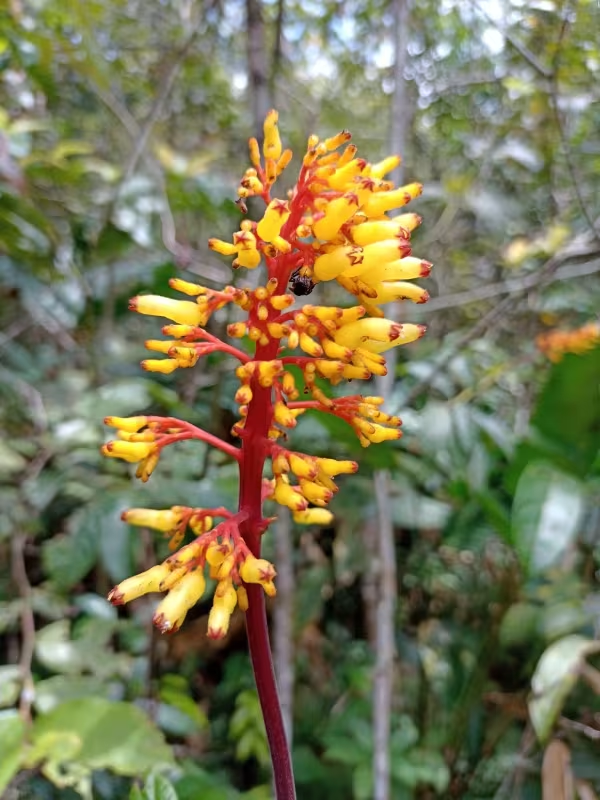
Botanically, Palicourea triphylla is characterized by its distinct ternate (three-leaf) arrangement along the stems. The plant produces small, tubular, often brightly colored flowers in terminal inflorescences that play a key role in its reproductive cycle.
The economic value of this crop is primarily linked to its potential in medicinal research, where its alkaloid content is studied for biochemical properties. Additionally, it is used in ornamental horticulture within suitable tropical zones.
Main diseases and pests
Root rot, primarily caused by Pythium and Phytophthora species, is the most significant threat to this crop. It is almost exclusively triggered by poor drainage and excessive irrigation, making substrate management crucial.
Insects like mealybugs and scale insects pose a persistent challenge, especially in sheltered or greenhouse environments. These pests colonize stems and leaf axils, causing stunted growth and providing entry points for secondary infections.
Fungal leaf spots frequently appear if the canopy humidity is too high without adequate ventilation. Ensuring proper spacing between individual plants is the most effective cultural method to mitigate this risk.
Nematode infestations in the root zone can significantly decrease vigor. Using sanitized growing media and monitoring irrigation water sources for contamination are standard industry precautions to prevent these pests.
Bacterial wilt can occasionally occur under conditions of extreme heat and humidity. Once infected, plants should be removed and destroyed to protect the remainder of the crop, as no effective cure is typically available.