
Palicourea crocea
Palicourea crocea
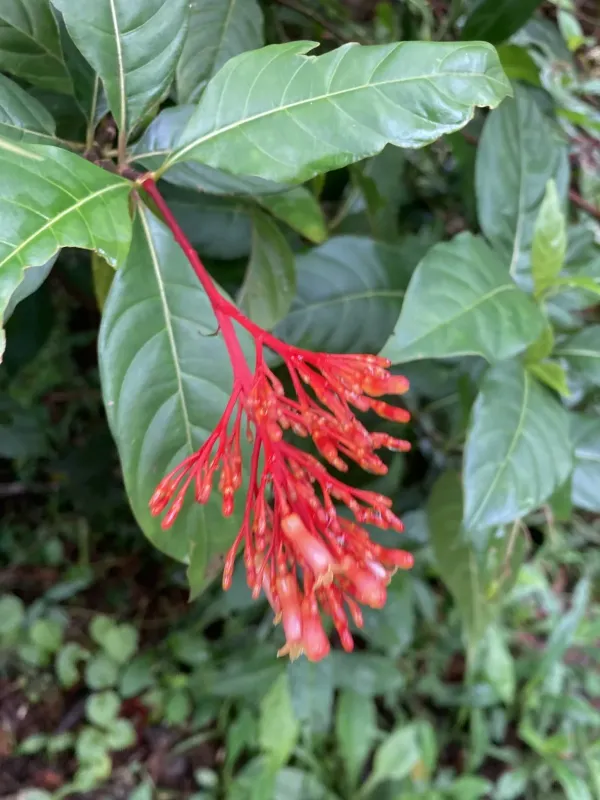
Description
Growing requirements
Palicourea crocea is a distinctive member of the Rubiaceae family, naturally occurring in tropical rainforests across the Americas. As an evergreen shrub, it has adapted to lush environments characterized by high humidity and consistent tropical temperatures throughout the year.
The cultivation of this species requires well-drained, nutrient-rich soil that mimics the organic-heavy forest floor. Proper soil aeration is essential to prevent root rot, as the plant is sensitive to waterlogged conditions despite its preference for high environmental moisture levels.
Botanically, the plant is recognized by its opposite, coriaceous leaves and striking panicles of yellow or orange flowers. These floral displays are essential for the plant's ecological role and serve as a focal point in its natural habitat by attracting specific pollinators.
In terms of climate, the plant thrives in filtered light conditions, making it suitable for shaded garden settings or controlled greenhouse environments. Protection from extreme temperature fluctuations and cold drafts is necessary to ensure the physiological stability of the shrub.
While not a major commercial crop, Palicourea crocea is valued in specialized horticulture for its ornamental traits and biological diversity. Providing a stable microclimate with adequate airflow is the key to maintaining a healthy and vigorous specimen in a cultivation setting.
Main diseases and pests
Fungal pathogens remain the primary threat to Palicourea crocea, particularly in environments with poor air circulation or over-saturation of the substrate. Root diseases often present as the most critical challenge during the early stages of plant development.
Pest management should focus on monitoring for sap-sucking insects like scale insects and spider mites, which can thrive on the plant if humidity levels are not properly regulated. These pests often congregate on the underside of the leaves, making them difficult to detect early.
Cultural control measures, such as maintaining proper plant spacing and ensuring the leaves are kept dry during periods of low light, are highly effective in preventing common infestations and outbreaks of powdery mildew.
In cases of infestation, the application of horticultural oils or organic insecticidal soaps is recommended to protect the delicate foliage of the shrub while maintaining environmental safety for beneficial insects.
Ongoing vigilance through routine inspections allows growers to address potential threats before they escalate into significant health issues, ensuring the long-term vitality of the Palicourea crocea plantings.