
Palicourea coriacea
Palicourea coreacea
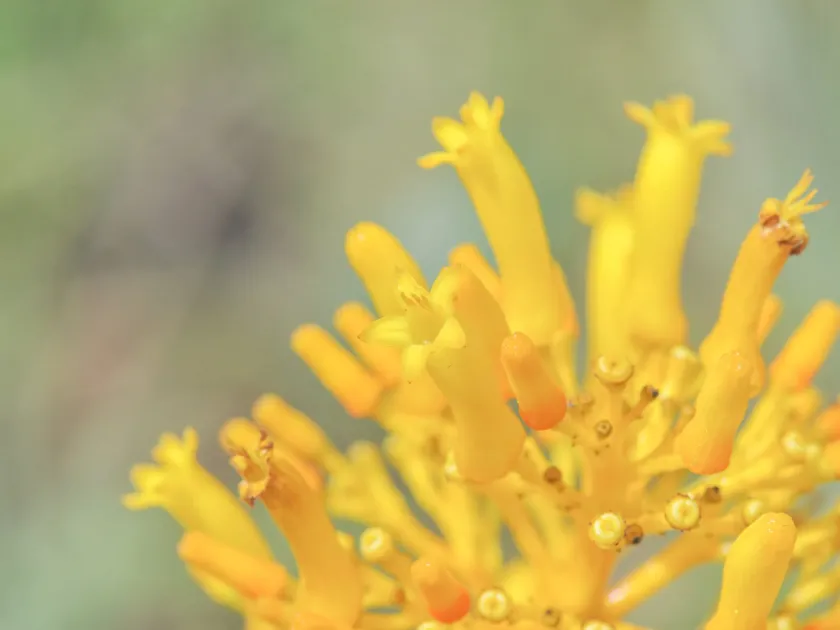
Description
Growing requirements
Palicourea coriacea belongs to the Rubiaceae family, which is one of the most significant botanical groups for tropical agriculture and pharmacology.
This species is native to the cerrado biomes of South America, demonstrating remarkable resilience in nutrient-poor and acidic soil conditions.
For successful cultivation, the plant requires high light intensity, as shade inhibits the synthesis of secondary metabolites within its leaves.
The ideal environment is characterized by stable tropical temperatures, avoiding any exposure to frost which can severely damage the plant's vascular system.
Proper soil management involves maintaining a well-aerated structure to prevent waterlogging, which is critical for root health in this specific species.
Main diseases and pests
Common fungal threats include leaf spot diseases, which typically appear during high-humidity cycles if the planting density is too high.
Pest pressures often involve sap-sucking insects like spider mites and scale insects that target young shoots and stems during drier months.
Anthracnose is frequently observed as a primary pathogen, requiring a proactive approach to sanitation and occasional use of systemic fungicides.
Poor ventilation within the canopy is the leading cause of fungal proliferation, making proper pruning and spacing essential for disease prevention.
Integrated pest management strategies should focus on monitoring the presence of ants, which act as vectors for various sap-sucking pests on the foliage.