
Palicourea longipedunculata
Palicourea longipedunculata
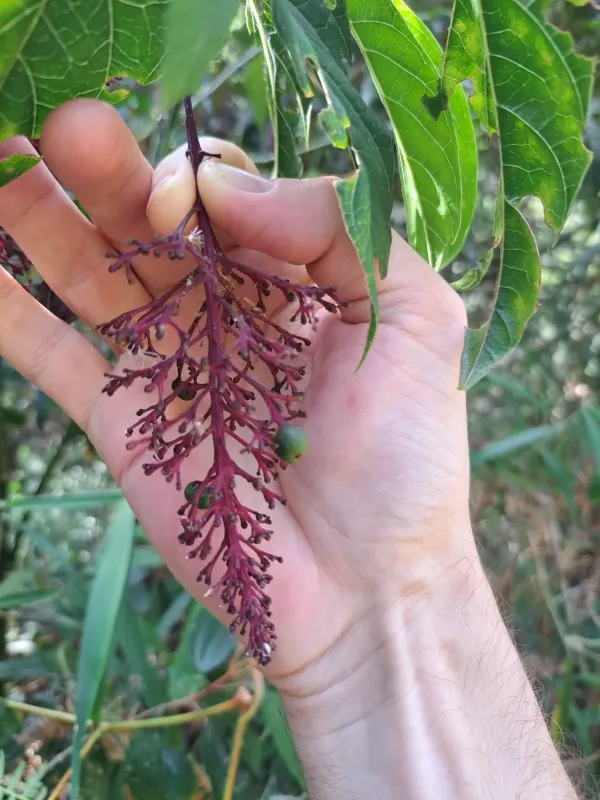
Description
Growing requirements
Palicourea longipedunculata is a distinct species belonging to the Rubiaceae family. This evergreen shrub is typically found thriving in the shaded understory of humid tropical forests across its native range.
Originating from Central and South America, the plant is naturally adapted to environments that provide consistent temperatures and high atmospheric humidity throughout the seasons.
Cultivation requires well-draining, nutrient-rich soils that are high in organic matter. Maintaining a slightly acidic to neutral pH level is essential for optimal nutrient uptake in this specific shrub.
The species performs best under filtered or dappled sunlight. Direct exposure to intense afternoon sun can scorch the foliage and reduce the overall health and vigor of the plant.
Practical care involves providing a stable moisture environment. While the soil should remain consistently moist, it is imperative to avoid waterlogging to prevent root suffocation and disease development.
Main diseases and pests
Common indoor or greenhouse pests for this plant include spider mites and mealybugs, which tend to thrive in warm environments with stagnant air circulation.
Pathogenic threats are usually associated with fungal infections, particularly root rot caused by stagnant water or pathogens present in contaminated substrate mixtures.