
Palicourea marcgravii
Palicourea marcgravii
Description
Growing requirements
Palicourea marcgravii is a perennial shrub belonging to the Rubiaceae family. This species is native to tropical South America, with a significant distribution across Brazil, where it thrives in various environments including tropical forests and open pastures.
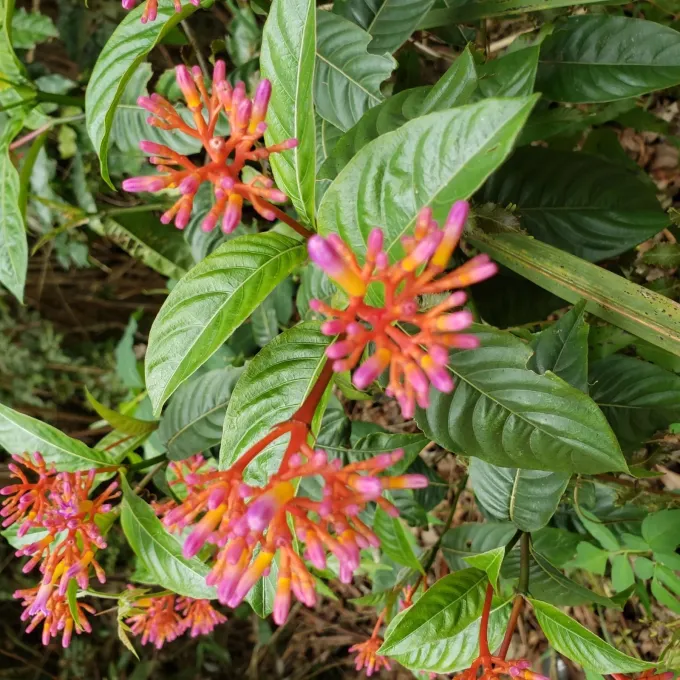
Botanically, it is characterized by opposite, leathery leaves and terminal panicles consisting of small yellow or greenish flowers. The shrub typically reaches a height of one to two meters, forming dense and resilient vegetative structures that can persist for many years.
The plant demonstrates a high degree of adaptability to diverse soil conditions, provided the environment remains humid and warm. It is capable of growing in nutrient-poor soils, which contributes to its status as a highly aggressive and successful colonizer in disturbed lands.
In agricultural practice, this species is considered a dangerous weed rather than a crop. It provides no economic value; instead, it is a significant liability for livestock farmers who must manage their land to prevent the ingestion of this plant by grazing animals.
Management of the shrub involves intensive physical removal, including uprooting, and the application of systemic chemical herbicides. Due to its robustness, persistent monitoring and recurring interventions are often required to reclaim pasture land from this invasive species.
Main diseases and pests
The primary concern regarding Palicourea marcgravii is its intense toxicity to cattle and other ruminants. The leaves contain sodium fluoroacetate, a potent toxin that inhibits the Krebs cycle, leading to rapid cellular collapse and systemic organ failure.
Grazing animals are particularly at risk during dry seasons when preferred forage is scarce and the shrub remains green and tempting. The ingestion of relatively small amounts of the foliage can be fatal, leading to mass mortality events in affected livestock herds.
The plant possesses natural chemical defenses that deter most herbivores and insect pests, allowing it to thrive without significant biological control. This absence of natural enemies facilitates its rapid expansion across pastures, effectively creating toxic monocultures.
Clinical signs of poisoning include severe tremors, cardiac arrhythmias, respiratory distress, and sudden death. Because the toxin is highly stable and effective, livestock management strategies must prioritize the exclusion of animals from areas where this plant is present.
To mitigate the risk, farmers utilize tactical eradication programs that target the plant's development stages. Effective weed management includes a combination of mechanical destruction and the strategic use of herbicides to ensure the safety and productivity of grazing land.