
Palicourea tomentosa
Palicourea tomentosa
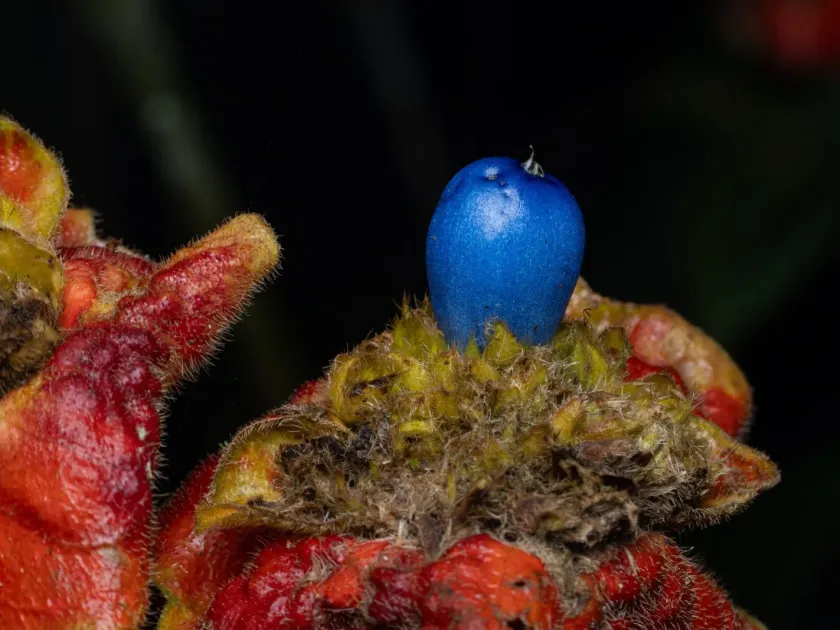
Description
Growing requirements
Palicourea tomentosa is a tropical shrub belonging to the Rubiaceae family. Characterized by its unique morphology, the plant is native to the rainforest ecosystems of Central and South America, where it thrives in the dense shade of the forest understory.
The plant requires a strictly tropical environment to maintain its growth cycles. It is highly sensitive to temperature fluctuations and demands high humidity levels throughout the year to prevent physiological stress. Ideal growing regions mimic the climate of its natural habitat in the tropics.
Regarding soil requirements, this species favors nutrient-rich, well-draining soils with high organic matter content. Because it is adapted to forest floors, it thrives in slightly acidic, aerated substrates that allow roots to breathe while maintaining consistent moisture levels.
Agricultural management of Palicourea tomentosa involves careful light regulation. Providing partial or filtered shade is essential for healthy foliage development, as direct exposure to high-intensity sunlight is often detrimental to the plant's metabolic functions.
Its primary use is linked to botanical and pharmacological research. The plant contains various secondary metabolites and alkaloids that have sparked interest in the scientific community for their potential in medicinal applications, although it is not a traditional field crop.
Main diseases and pests
Typical plant health threats include fungal infections such as root rot and leaf spot, which primarily occur in poorly drained soil or areas with excessive humidity without proper air circulation. Common insect pests include scale insects and whiteflies, which are standard threats in tropical greenhouse environments.