
Palicourea squarrosa
Palicourea squarrosa
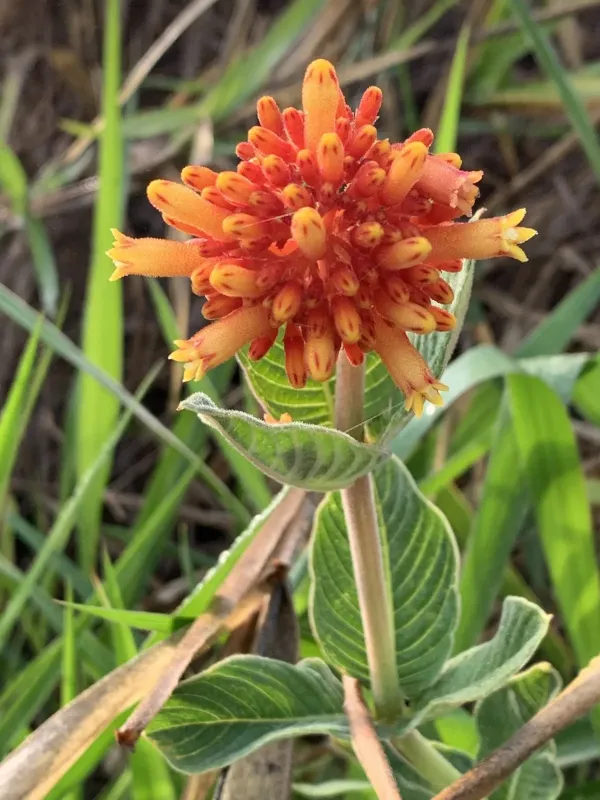
Description
Growing requirements
Palicourea squarrosa is a perennial evergreen shrub or small tree belonging to the Rubiaceae family. Native to the lush tropical regions of South America, it typically thrives in the understory of moist forests, benefiting from the protection of the canopy.
The cultivation of this species requires well-draining, nutrient-rich soils. A slightly acidic to neutral pH is optimal, as it supports the efficient uptake of essential nutrients necessary for the vibrant foliage development typical of this genus.
Climate requirements for Palicourea squarrosa are strictly tropical. The plant demands high ambient humidity and consistently warm temperatures, generally ranging between 22 and 28 degrees Celsius throughout the year.
Water management is a crucial aspect of its care. The soil should remain consistently moist but never waterlogged, as the root system is prone to hypoxia when exposed to stagnant water. Proper irrigation practices must be tailored to the specific drainage capacity of the substrate.
Fertilization should be approached with caution, using balanced liquid fertilizers during the active growing season. Regular pruning is recommended to maintain a compact shape and encourage denser branching, which enhances the plant's overall aesthetic and structural integrity.
Main diseases and pests
Fungal pathogens represent the primary disease threat, particularly root rot caused by poor soil aeration and excessive moisture. Early detection of leaf wilting is essential for implementing corrective measures in time to save the plant.
Pests such as spider mites and mealybugs are frequently observed on this species, especially in indoor or greenhouse settings where air circulation may be limited. These insects suck sap from the leaves, leading to stunted growth.
Effective pest control involves maintaining high environmental hygiene, including the removal of dead leaf litter and the regular cleaning of the surrounding area to minimize breeding grounds for pests.
Application of horticultural oils or organic insecticidal soaps is generally recommended as a first line of defense against soft-bodied insects. These treatments are less disruptive to the plant's physiological balance than harsh chemical alternatives.
Regular inspection of the leaf undersides is advised, as this is where pests often congregate before spreading to the rest of the shrub. Early intervention is the key to preventing widespread infestations.