
Palicourea rigida
Palicourea rigida
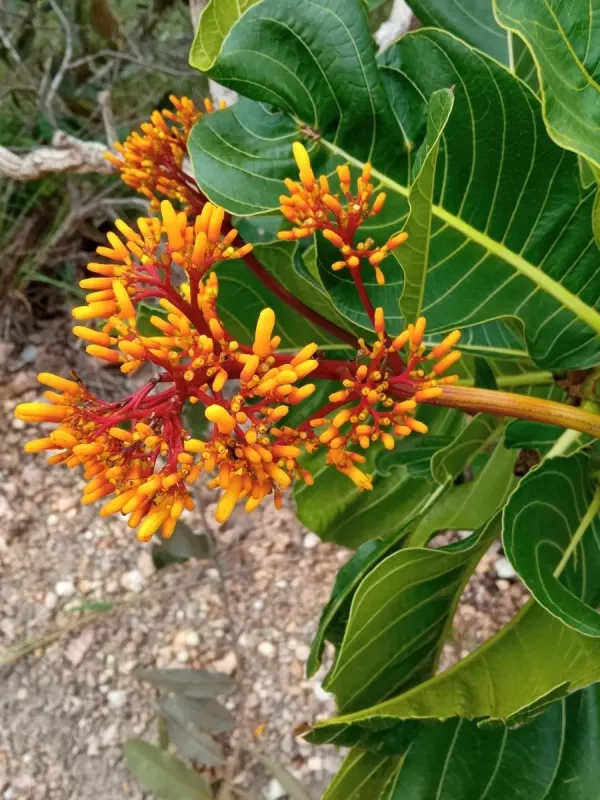
Description
Growing requirements
Palicourea rigida is a distinct perennial shrub belonging to the Rubiaceae family. Native to the Cerrado biome of South America, it has evolved specific physiological traits to survive in challenging tropical environments.
The plant thrives in acidic, well-drained soils that are typically low in nutrients. Its ability to tolerate low soil fertility makes it a survivor in the harsh conditions of its native savanna habitats.
Regarding climatic preferences, this species requires high levels of solar radiation to maintain its growth cycles. It is naturally adapted to regions with distinct dry seasons, demonstrating excellent water-use efficiency.
Cultivation practices involve selecting sites with full sunlight exposure and ensuring that soil preparation includes proper drainage to prevent waterlogging, which the plant is sensitive to.
From an agricultural standpoint, Palicourea rigida is primarily of interest for ecological restoration projects and specialized botanical studies due to its unique chemical composition and environmental hardiness.
Main diseases and pests
This species is susceptible to various fungal pathogens that can cause leaf spots and blight, especially in nursery settings with poor air circulation or excessive humidity levels.
Sap-sucking insects like mealybugs and whiteflies are common pests that feed on the tender stems, potentially vectors for secondary viral infections within the population.
Root system health can be compromised by various soil-borne pathogens or nematode infestations, which manifest as stunted growth and yellowing of the foliage.
Insect larvae that feed on leaf tissue can cause significant cosmetic and physiological damage if not monitored during the active vegetative growth phase of the shrub.
Management strategies involve regular monitoring and the use of site-specific cultural practices to maintain the vigor of the plant, thereby reducing its vulnerability to pest outbreaks.