
Skunk vine
Paederia foetida
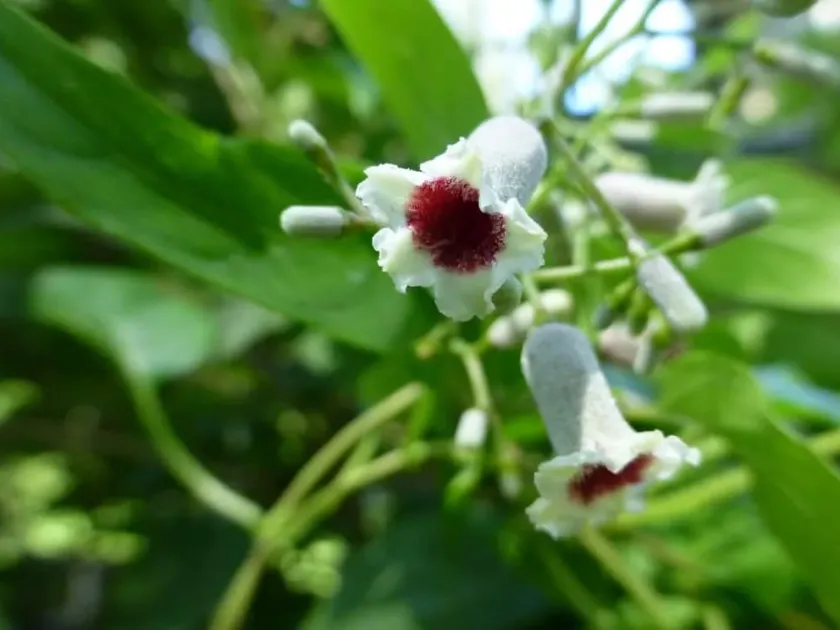
Description
Sowing dates
Skunk vine (Paederia foetida) is a member of the Rubiaceae family. It is a perennial herbaceous vine known for its vigorous growth and the distinctive sulfuric odor emitted when the leaves are crushed.
Propagation is primarily done via seeds or cuttings. Seeds should be sown in a well-draining seed-starting mix and kept in a warm, humid environment to facilitate germination.
When using cuttings, select healthy, semi-hardwood stems. Place them in water or a moist medium to encourage root development, which typically occurs within two to four weeks.
The vine requires sturdy trellises or supports to climb. In tropical regions, it can be planted directly into the ground, but in temperate climates, it must be grown in greenhouses to avoid frost damage.
Space plants at least 60 centimeters apart to ensure adequate airflow and prevent overcrowding, which can lead to increased humidity and susceptibility to disease.
Growing requirements
This species thrives in rich, loamy soils with a slightly acidic to neutral pH. Proper soil structure is essential for root health, as the plant cannot tolerate waterlogged conditions.
It prefers full sun exposure but can tolerate partial shade, especially in extremely hot climates where leaf scorching may occur. Consistency in light levels is key to maintaining vigorous growth.
Regular watering is necessary to keep the soil consistently moist but not saturated. Drought stress will cause leaf drop and significantly stunt the plant's development.
Nutrient requirements are moderate. Applying a balanced NPK fertilizer during the peak growing season will support the production of lush green foliage and promote plant strength.
Humidity management is crucial. Skunk vine thrives in tropical conditions; indoors, the use of humidifiers or regular misting is recommended to simulate its natural habitat.
Main diseases and pests
Spider mites are the most common pests affecting this plant, especially when ambient humidity is low. Regular monitoring and water-based leaf sprays help control mite populations effectively.
Fungal issues, such as powdery mildew, can occur if the plant is grown in areas with poor ventilation. Maintaining a high level of air circulation is the best preventive strategy.
Root rot is the most dangerous condition for Skunk vine, caused by overwatering or soil compaction. If the plant shows signs of wilting despite moist soil, check the roots for decay immediately.
Scale insects and mealybugs can occasionally infest the vines. These are best managed by manual removal or the application of horticultural oils on the affected stems.
Implementing a regular hygiene routine, including the removal of dead or yellowing leaves, significantly reduces the risk of pest and disease outbreaks within the vine canopy.
Harvesting
Harvesting the leaves is done throughout the growing season when the foliage is most vibrant. Use clean, sharp shears to cut individual stems without damaging the core structure of the plant.
Roots are harvested primarily in the autumn. Carefully dig up the plant, ensuring that the soil is cleaned away thoroughly before the drying process begins to ensure product purity.
Drying must occur in a dark, well-ventilated area. Extreme heat should be avoided to prevent the volatilization of the chemical compounds responsible for the plant's medicinal properties.
Once dry, the material should be stored in airtight containers to contain its strong, persistent odor. High-quality dried leaves can remain potent for up to two years if stored correctly.
Yields are maximized by providing consistent fertilizer and pruning. Regular pruning not only promotes denser growth but also stimulates the production of fresh leaves for subsequent harvests.