
Paederia chinensis
Paederia chinensis
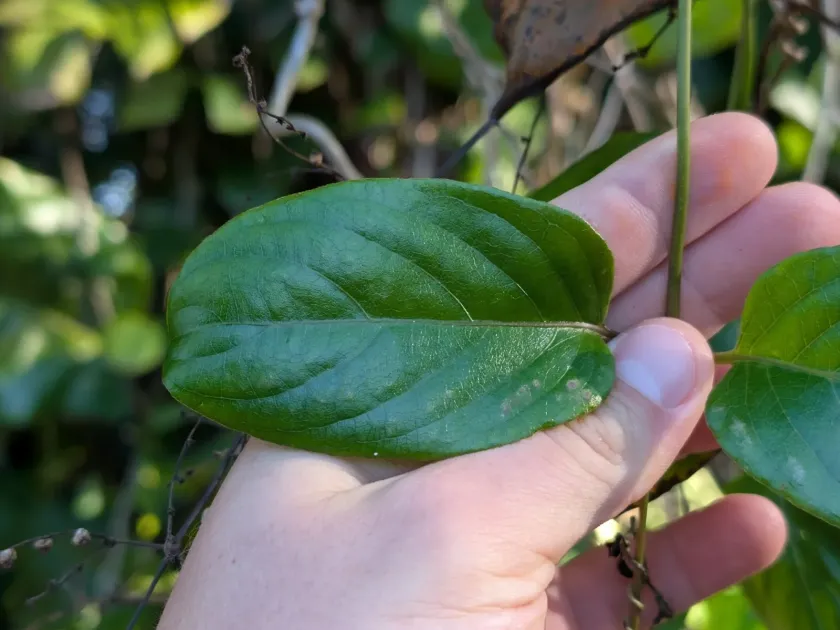
Description
Sowing dates
Paederia chinensis, commonly known as the Chinese fever vine, is a robust climbing plant belonging to the Rubiaceae family, valued for its pharmacological significance.
Propagation can be achieved through seeds sown in early spring or via vegetative cuttings, which often provide more predictable results for commercial cultivation.
Seeds should be planted in a well-prepared, loose substrate at a depth of about 1–2 centimeters, ensuring consistent moisture levels for successful germination.
Cuttings are best rooted in greenhouse conditions to ensure the plants are robust enough to withstand outdoor environmental stresses after transplantation.
Establishing a sturdy trellis or support system is essential from the beginning, as the plant grows vigorously and requires vertical space to thrive and remain healthy.
Growing requirements
This species thrives in sunny locations but is highly adaptable to partial shade, making it a versatile choice for various agricultural microclimates.
Fertile, loamy soils with excellent drainage are preferred; the plant is sensitive to waterlogging, which can easily lead to root system decay in heavy clay soils.
Regular irrigation is necessary throughout the growing season, particularly during dry spells, to support the rapid development of its extensive leaf biomass.
The optimal temperature for development ranges from 20 to 25 degrees Celsius, though the plant shows resilience to fluctuating temperatures if properly mulched.
Balanced fertilization, focusing on nitrogen during the early stages of growth, will maximize the production of foliage required for harvesting medicinal compounds.
Main diseases and pests
The primary threats to this culture include fungal infections like powdery mildew, which thrive in conditions with poor airflow and high ambient humidity.
Insect pests, including spider mites and aphids, frequently infest the underside of leaves, which can cause significant stress and reduce the overall yield of the plant.
Effective management includes spacing plants appropriately to ensure optimal aeration and regular inspection of stems and leaves for early signs of pest activity.
Integrated pest management, favoring biological controls over harsh chemical interventions, is highly recommended to maintain the organic purity of the harvested biomass.
Pruning damaged or overly dense sections of the plant helps maintain vigor and limits the spread of localized pathogens or pest colonies within the field.
Harvesting
The harvest phase focuses on gathering leaves and young stems, which are rich in iridoid glycosides and essential oils used in traditional and modern medicine.
The best time to harvest is during the peak flowering stage, as this is when the concentration of the active secondary metabolites is at its highest point.
Using sharp shears, harvesters should carefully cut the healthy growth, ensuring that enough of the plant remains to allow for rapid recovery and further regrowth.
Post-harvest processing involves rapid drying in shaded, well-ventilated areas to prevent fermentation and retain the plant's distinct aromatic and chemical profile.
Storage should be conducted in dark, airtight containers, protecting the dried material from humidity and light to ensure its quality for up to one full year.