
Paederia farinosa
Paederia farinosa
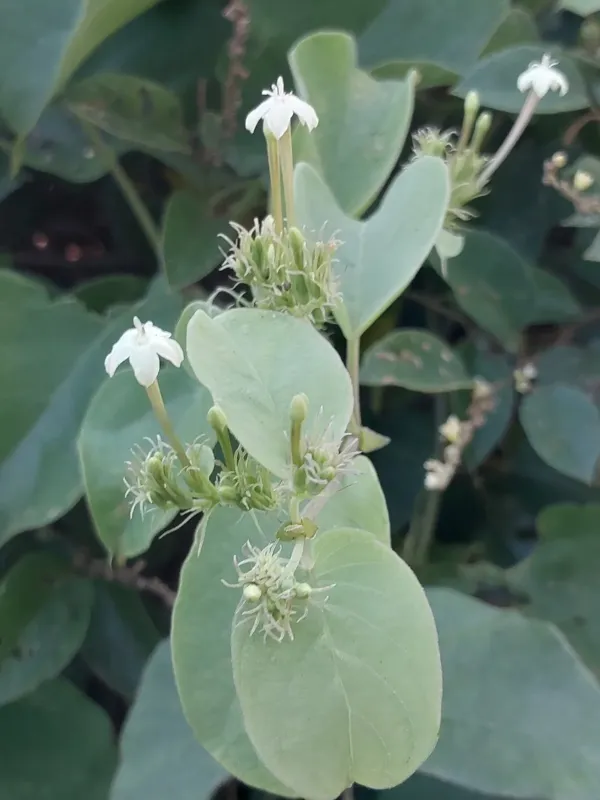
Description
Growing requirements
Paederia farinosa is a significant species within the Rubiaceae family. This perennial climbing plant is native to the tropical and subtropical regions of Asia, typically found in dense forest understories.
The crop thrives in well-drained, fertile soils rich in organic matter. Maintaining consistent soil moisture is essential for its rapid vegetative growth, especially during the peak of the growing season.
It requires a warm climate, as it is highly sensitive to frost and cold stress. Ideally, the environment should provide filtered light or partial shade, mimicking the conditions of its natural forest habitat.
Agricultural management involves providing stable structural supports or trellises, as the plant exhibits strong climbing characteristics. Proper spacing is necessary to allow for optimal air circulation.
Economically, the plant is primarily researched for its potential applications in pharmacology. The phytochemical profile of its stems and leaves remains a subject of ongoing scientific study.
Main diseases and pests
Major threats to Paederia farinosa include soil-borne fungal pathogens, particularly those triggered by waterlogged conditions and poor substrate drainage.
Pests such as spider mites and whiteflies represent the most significant threat to the crop, especially in greenhouse environments where low airflow encourages infestation.
Powdery mildew and various leaf spot diseases are common when humidity is poorly controlled, necessitating strict monitoring of ambient environmental parameters.
Cultural practices should focus on maintaining hygiene in the growing area, including the removal of dead foliage that can serve as a reservoir for pathogens.
Integrated pest management strategies are recommended, prioritizing biological controls over synthetic chemicals to maintain the quality of the medicinal plant material.