
Paederia cruddasiana
Paederia cruddasiana
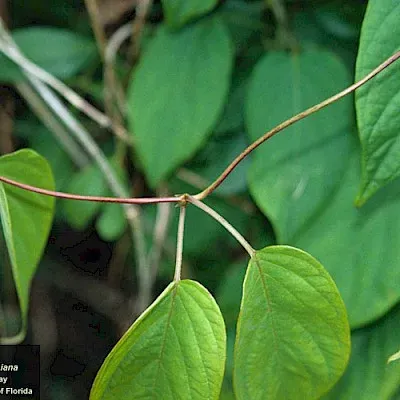
Description
Sowing dates
Sowing of Paederia cruddasiana is typically carried out in greenhouses or controlled indoor environments during the late winter months. This allows the seedlings to establish a strong root system before the onset of the main growing season.
The seeds require a warm environment for germination, with temperatures consistently between 22 and 25 degrees Celsius. They should be sown into a well-draining, lightweight medium to prevent early rot.
Once the seedlings develop their first true leaves, they are transplanted into individual containers. Because of the species' rapid growth, timely repotting is essential to support continued development without stunting.
Hardening off the seedlings is a crucial step before moving them to their permanent outdoor location. This process should be done gradually over several days to ensure the plants can handle external environmental conditions.
Vertical support structures should be installed immediately after transplanting. As a vigorous climber, Paederia cruddasiana requires trellis systems or sturdy netting to manage its sprawling habit effectively.
Growing requirements
Paederia cruddasiana belongs to the Rubiaceae family and is a perennial tropical vine native to Southeast Asia. It thrives in climates characterized by high humidity and consistent warmth.
The plant performs best in well-lit locations, although young vines may benefit from partial shade during the intense afternoon sun to prevent leaf scorching. Adequate light is crucial for producing a healthy canopy.
A fertile, loamy, or sandy soil with a neutral to slightly acidic pH is ideal for cultivation. Proper drainage is the most critical soil requirement, as stagnant water significantly increases the risk of root diseases.
Consistent watering is necessary throughout the active growing season. While the plant appreciates moisture, it is important to allow the soil surface to dry slightly between watering sessions to ensure oxygen reaches the roots.
In temperate zones, Paederia cruddasiana must be protected from cold weather. Exposure to temperatures below 10 degrees Celsius can cause significant stress, and frost will likely lead to the death of the above-ground biomass.
Yield
Yield estimation for this culture is based on the harvestable biomass of the leaves and stems, which are often used in pharmacological research and traditional medicine. Production capacity increases significantly as the vine matures.
Optimal yields are usually achieved in the second or third year, once the plant has fully established its structure and occupies the designated trellises. Proper canopy management is essential to keep the production continuous.
Harvesting should be timed to match the peak of vegetative growth. Avoiding the over-maturation of stems is important to ensure the consistency of the botanical compounds present in the plant material.
Using nitrogen-based fertilizers during the early stages of growth can help maximize biomass production. However, caution should be used to avoid over-fertilization, which can make the plant more susceptible to pests.
Maintaining a balanced planting density ensures that each plant receives sufficient resources, leading to higher overall yields per unit area and easier management during the harvesting period.
Main diseases and pests
Common pests associated with Paederia cruddasiana include spider mites and mealybugs. These organisms typically thrive in conditions of low humidity and stagnant air circulation around the plants.
Fungal issues, such as powdery mildew and various forms of root rot, are the primary disease threats. These are frequently linked to excessive soil moisture and poor ventilation in the growing area.
Early detection of disease is vital for plantation health. If symptoms like yellowing leaves or wilting appear, the affected plant parts must be removed promptly and disposed of to prevent the spread of the pathogen.
Preventive measures include maintaining adequate spacing between individual plants to promote airflow. Regular monitoring of the underside of leaves for early pest activity is also a standard recommended practice.
Integrated pest management, including the use of horticultural oils or beneficial insects, is preferred for this culture to preserve the quality of the harvested biomass, especially if it is intended for medicinal use.
Harvesting
The harvest process involves selective pruning of healthy, vigorous stems using sanitized garden shears. Clean tools prevent the transfer of pathogens and ensure a quick recovery for the pruned plant.
Immediately after cutting, the material should be processed for drying. It must be kept in a shaded, well-ventilated area with constant airflow to prevent the onset of mold and degradation of active ingredients.
When harvesting, a significant portion of the base of the vine must be left intact to ensure the plant can regenerate for future cycles. Clear harvesting guidelines help preserve the long-term viability of the crop.
Any plant debris or material that shows signs of pest or disease damage during the harvest must be discarded. Cleaning the site thoroughly after harvesting helps reduce the risk of future infestations.
Proper storage is essential to maintain product quality. The dried stems and leaves should be stored in breathable, dry containers and kept in a cool, dark place to protect them from environmental degradation.