
Pachycereus weberi
Pachycereus weberi
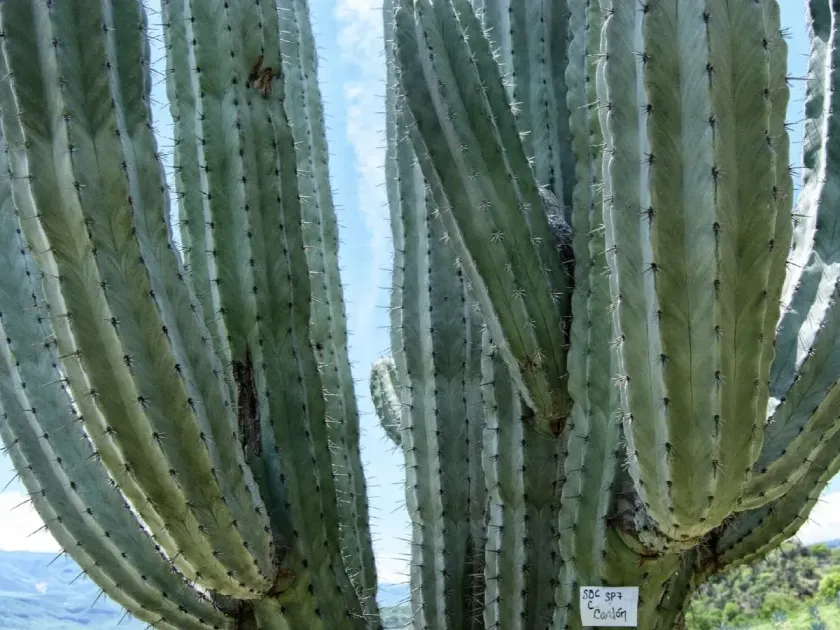
Description
Sowing dates
Propagation of Pachycereus weberi for agricultural purposes is primarily achieved through seeds or stem cuttings in specialized nursery environments.
Seeds are sown in the spring when substrate temperatures consistently remain above 25 degrees Celsius to ensure optimal germination rates.
Vegetative propagation using cuttings is widely preferred for faster development of mature plants, requiring a careful drying period for the cut surface.
Seedlings or rooted cuttings are transferred to the field once the risk of spring frosts has completely passed to protect vulnerable tissue.
Planting density is carefully planned to ensure adequate spacing, facilitating ease of maintenance and future harvesting of the fruits.
Growing requirements
Pachycereus weberi belongs to the Cactaceae family and is recognized as a large tree-like succulent with a substantial woody central trunk.
The culture requires intense solar radiation and thrives in well-drained, lime-rich, or rocky soils with minimal organic matter content.
Climatic requirements are specific to semi-arid regions where the plant is well-adapted to significant daily temperature fluctuations.
Proper drainage is the most critical factor in successful cultivation, as stagnant water poses a lethal risk to the root system.
Its high drought tolerance makes this species an excellent candidate for agricultural production on marginal lands where traditional crops fail.
Yield
The primary agricultural objective of this species is the production of edible fruits, locally referred to as jitolo.
The harvest season occurs during the summer months when fruits reach maturity, indicated by a change in texture and color.
Mature plants are capable of producing substantial yields, providing a steady supply of fruit across many seasons due to their longevity.
Products harvested are consumed fresh or processed into jams, syrups, and various traditional confectionery items.
The yield potential of this cactus makes it a valuable resource for small-scale farmers looking for sustainable and low-water crops.
Main diseases and pests
The plant is susceptible to various stem and root rots caused by excess moisture and lack of aeration in the growing medium.
Common pests include mealybugs and scale insects that colonize succulent tissues, requiring integrated pest management strategies.
Disease prevention relies heavily on maintaining correct moisture levels and providing sufficient ventilation for the plantation area.
Regular sanitation, including the removal of damaged or diseased plant parts, is essential to prevent the spread of fungal pathogens.
Minimal chemical intervention is recommended, focusing instead on biological controls and proper site management to ensure crop health.
Harvesting
Harvesting is performed manually and requires protective equipment such as heavy-duty gloves to handle the cactus thorns safely.
Only fruits that have reached full biological maturity are harvested to ensure the best flavor and nutritional properties.
Logistical operations during harvest focus on handling the fruits gently to prevent bruising or breaking the delicate outer skin.
Immediate processing or distribution is necessary after harvest as the fruit's shelf life in fresh condition is relatively short.
Efficient management of the harvest cycle is vital to maximize the economic return and maintain high market quality of the produce.