
Pachycereus pecten-aboriginum
Pachycereus pecten-aboriginum
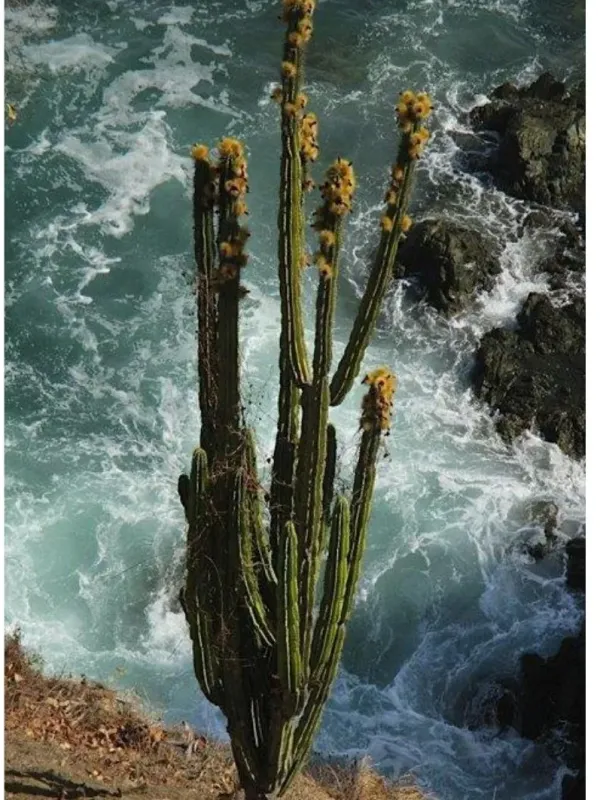
Description
Sowing dates
Propagation of Pachycereus pecten-aboriginum in cultivation is primarily achieved through seeds. Sowing is carried out in spring when temperatures stabilize above +25°C, as seeds require consistent warmth for successful germination.
For optimal germination, a substrate consisting of a sand and perlite mix is used, which ensures excellent drainage and prevents waterlogging. Seeds are sown superficially, lightly covered with substrate, and covered with glass to maintain high humidity levels.
The germination process can be slow and uneven, so it is crucial to avoid the soil drying out during the first few weeks of the seedlings' life. After emergence, the cover is gradually removed to acclimate young plants to the drier indoor air.
Cuttings of adult plants are possible but complicated by the massive size of the stem and the high risk of tissue decay. A cut segment must be dried in the shade for several weeks until a firm callus tissue forms.
Planting rooted cuttings or transplanting seedlings to their permanent location should only occur during the active growth phase. Avoiding damage to the root system is critical, as it is highly sensitive to mechanical disturbance.
Growing requirements
Pachycereus pecten-aboriginum belongs to the Cactaceae family and is native to the dry tropical regions of Mexico. This plant has high insolation requirements and prefers open areas exposed to direct sunlight throughout the day.
The culture is moderately demanding regarding soil composition: well-aerated, rocky, or sandy substrates with low organic content are necessary. High soil acidity is detrimental to the root system, so a neutral or slightly alkaline pH is optimal.
Climatic conditions must match the native habitat of succulents, featuring hot, dry summers and moderately cool winters. The plant can withstand short-term temperature drops, but prolonged frost will inevitably lead to the death of the aerial parts.
The irrigation regime must be strictly controlled: during the active growing season, watering is performed only after the soil ball has completely dried. During the winter dormancy period, watering is almost entirely stopped to keep the plant in a dry state.
To prevent water stagnation in the pot, a thick drainage layer at the bottom of the container is mandatory. Moisture accumulation around the root collar is the primary cause of pathogenic microorganism development.
Yield
The economic use of this cactus is historically linked to its fruits, which were highly valued by the indigenous peoples of Mexico. The fruits have a distinct bristly surface that resembles a comb, leading to the species name pecten-aboriginum, meaning "aboriginal comb."
The yield of the cactus depends on the age of the plant and the intensity of solar radiation during the flowering period. The fruits are edible, have a pleasant taste, and contain significant amounts of sugar, making them a valuable food source in semi-desert conditions.
Beyond human consumption, the pulp of the fruits can be used as raw material for traditional beverages and sweets. The high water content in the fruits makes them an important moisture source during dry seasons.
The wood-like skeletal parts of old cacti were sometimes used in construction and the manufacturing of household items due to their exceptional hardness. However, today such uses are limited due to the conservation status of many cactus species.
The economic potential of the culture is now largely shifted toward ornamental horticulture and specialized collections. Large specimens of Pachycereus are valued in landscape design in regions with arid climates.
Main diseases and pests
The primary threats to Pachycereus are fungal infections resulting from over-saturation of the soil or air with moisture. Root rot can destroy a plant in a matter of days if adequate drainage is not provided.
Pests such as mealybugs and spider mites often attack weakened plants or young seedlings. Control measures include the application of systemic insecticides or mechanical cleaning of the surface with alcohol solutions.
- Root rot from stagnant water
- Mealybugs in the areoles
- Spider mites in dry air
- Anthracnose during temperature fluctuations
- Damage to the skin by mechanical pests
An important aspect of prevention is regular ventilation of the planting area, which prevents moisture from lingering around the stem. Ensuring good air circulation significantly reduces the risk of mold formation.
Upon discovering the first signs of pest infestation, the affected specimen must be immediately isolated from others. This will stop the spread of insect colonies to neighboring plants.