
Pachycereus grandis
Pachycereus grandis
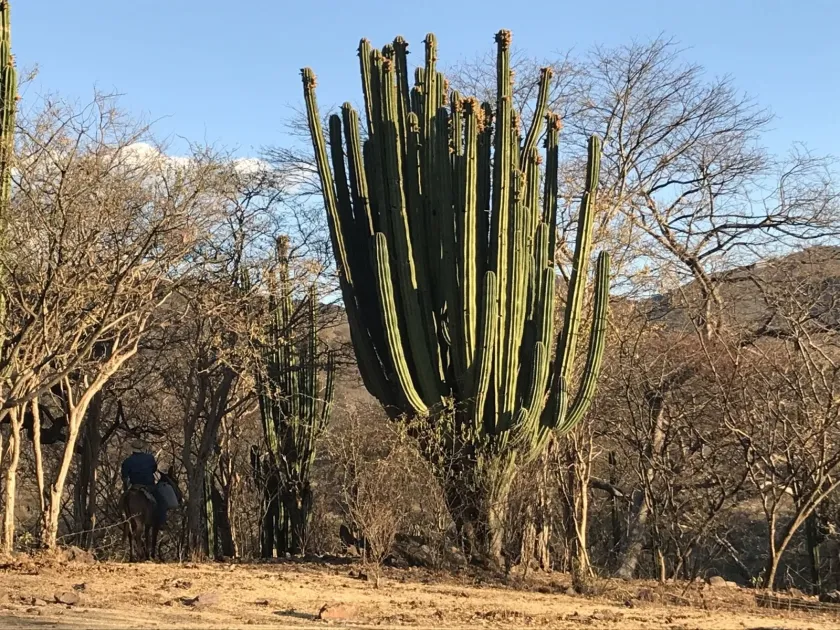
Description
Growing requirements
Pachycereus grandis is a large, tree-like cactus species that belongs to the Cactaceae family. It is recognized for its massive stature and impressive columnar growth habit, which makes it a notable specimen in arid landscapes.
Native to the arid regions of Mexico, this species has evolved to thrive in environments with significant water scarcity. It occupies rocky slopes and desert plains where soil drainage is exceptional, preventing the saturation of its root system.
The plant requires full sun exposure to maintain its structural integrity and health. In cultivation, it thrives best in conditions that mimic the intense light and wide diurnal temperature variations of its natural high-altitude desert habitat.
Regarding soil requirements, Pachycereus grandis demands a highly porous, gritty medium. A mixture of gravel, coarse sand, and a small portion of mineral soil is essential to ensure that water drains away from the roots rapidly.
Agrotechnical management requires careful watering practices. Irrigation should be restricted to the active growing season, with long periods of dryness during the winter dormancy phase to simulate the natural cooling and resting cycles of the region.
Main diseases and pests
The primary threat to the health of Pachycereus grandis is root rot, typically caused by waterlogged soil combined with cool temperatures. This condition is often fatal if not diagnosed and corrected early through immediate repotting.
Mealybugs are common pests that infest the deep ribs of the cactus. Their presence can be managed by systematic insecticides or localized treatment with diluted alcohol applications when the infestation is discovered in its early stages.
Spider mites can be problematic in dry, stagnant greenhouse environments. These pests damage the skin of the cactus, leaving discolored patches that mar the appearance and weaken the defense mechanism of the plant against pathogens.
Fungal infections, which appear as soft, dark spots on the stem, are frequent issues associated with poor air circulation and excessive ambient humidity. Providing adequate ventilation is a standard preventative agricultural practice.
Root-knot nematodes can also compromise the root health, especially when plants are grown in contaminated nursery soil. Ensuring the sterility of the growing medium before planting is the most effective way to prevent this underground threat.