
Pachycereus pringlei
Pachycereus pringlei
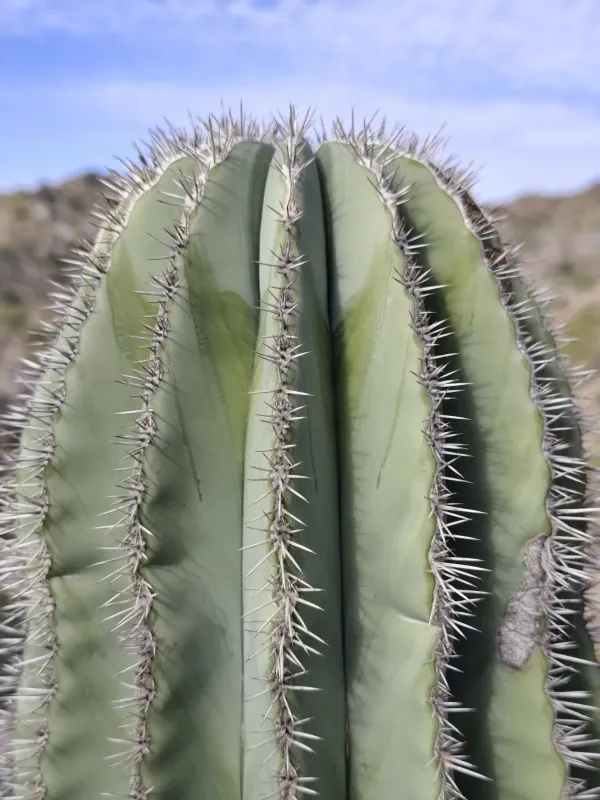
Description
Sowing dates
Sowing Pachycereus pringlei seeds should ideally take place during the warm spring months to ensure optimal germination rates.
Use a well-draining, sterile seed starting mix primarily composed of sand and inorganic substrate to mimic natural desert conditions.
Maintain a constant warm environment with temperatures ranging between +25°C and +30°C for effective seed activation.
Keep the soil slightly moist during the first few weeks, gradually reducing irrigation once the cactus seedlings start to develop.
Propagation by cuttings is also possible, though it requires a dry period of at least two weeks to callous over the wound before planting.
Growing requirements
Pachycereus pringlei, commonly known as the Cardon cactus, is a member of the Cactaceae family native to Baja California and Sonora.
This species requires full sun exposure and thrives in arid environments with low annual rainfall and high daytime temperatures.
The soil must have excellent drainage properties to prevent water accumulation, which is the primary enemy of this desert plant.
During the growing season, regular but sparse watering is required, while in winter, the plant enters dormancy and requires almost no water.
The plant is sensitive to frost and must be protected from temperatures dropping near freezing to avoid structural damage to the stems.
Yield
While primarily cultivated as an ornamental or botanical specimen, this species is known for its slow but massive growth rate.
In optimal conditions, the plant can reach significant heights, making it a monumental feature in landscaping and botanical gardens.
The growth rate can be slightly accelerated with supplemental feeding during the peak summer months using specific cactus fertilizers.
Harvesting in a traditional sense is rare, though the plant produces edible fruits in the wild, which are locally valued.
Production cycles are extremely long, often spanning decades for an individual plant to reach full maturity and reproductive capacity.
Main diseases and pests
Root rot is the most common threat to Pachycereus pringlei, typically caused by overwatering or soil that lacks proper porosity.
Pests such as mealybugs and scale insects are frequent issues, often hiding in the deep ribs of the cactus stem.
Fungal infections can develop if the plant is kept in humid or poorly ventilated conditions for extended periods of time.
Regular inspection of the plant's surface and root zone is essential to catch any health issues before they become severe.
Utilizing appropriate systemic insecticides and fungicides can help manage pest and disease outbreaks effectively in an intensive setup.