
Pachira nitida
Pachira nitida
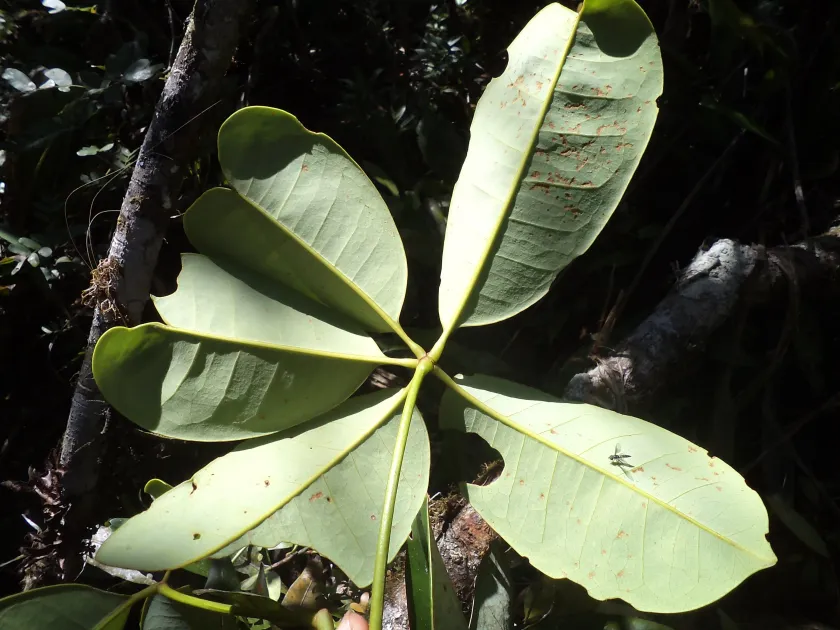
Description
Growing requirements
Pachira nitida is a member of the Malvaceae family, widely recognized for its robust structure and evergreen foliage. Originating from the tropical regions of South America, this species thrives in humid environments and nutrient-rich, well-draining soils that support its rapid vegetative growth.
The climate requirements for this culture include consistent temperatures ranging between 22 and 28 degrees Celsius. As a tropical species, it is highly sensitive to cold, and any exposure to frost can result in irreversible damage to the vascular system and cellular structure of the tree.
Adequate soil composition is essential for the healthy development of Pachira nitida. It requires a substrate with a pH level between 5.5 and 7.0, combined with high organic matter content to retain nutrients while ensuring excess water drains away to prevent root asphyxiation.
The species prefers bright, indirect sunlight to perform photosynthesis efficiently. While it can adapt to lower light conditions, extended periods of shadow lead to leggy, weak stems and a reduced leaf surface area, which eventually impairs the overall vitality of the plant.
Watering management is a critical aspect of its agrotechnology. The soil should be kept moderately moist; however, it is imperative to allow the upper layer to dry out slightly between waterings to avoid the development of anaerobic conditions around the root collar.
Main diseases and pests
The primary pests affecting Pachira nitida include spider mites and mealybugs. These insects often thrive in environments with low humidity, where they colonize the underside of leaves and young stems, extracting essential plant fluids and weakening the organism.
Scale insects are another common threat, as they attach to the bark and stems, causing localized tissue damage and creating sticky honeydew that fosters the growth of sooty mold. Regular monitoring and the application of systemic pesticides are the standard control measures.
Fungal diseases, such as root rot and leaf spot, are prevalent in poorly ventilated areas with excessive soil moisture. These pathogens penetrate the plant tissues, leading to necrosis and widespread wilting, which can be fatal if not addressed with appropriate fungicides.
Maintaining proper hygiene within the cultivation area is the most effective preventive measure against plant pathogens. This includes removing dead foliage, ensuring optimal airflow, and sanitizing pruning tools to prevent cross-contamination between different plants.
Integrated pest management strategies involve a combination of biological controls and selective chemical applications to ensure the longevity of the plant. A proactive approach to scouting for early signs of infestations allows for targeted treatments that preserve the plant's health.