
Pachira insignis
Pachira insignis
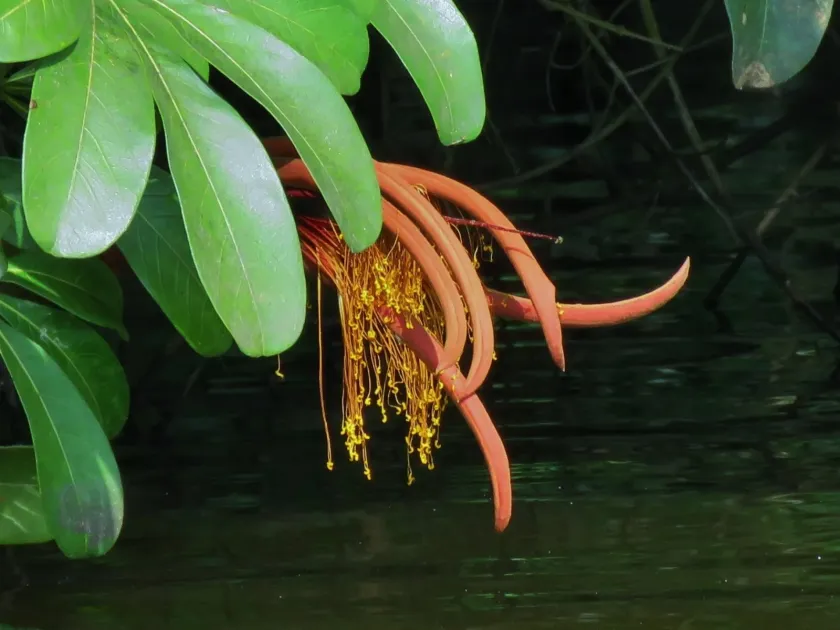
Description
Growing requirements
Pachira insignis is a striking species of tree belonging to the Malvaceae family. Originating from the tropical wetlands of Central and South America, this plant is well-adapted to high-humidity environments and riverine landscapes where it thrives in rich, moist soils.
The climate requirements for this culture are strictly tropical, necessitating stable temperatures between 20°C and 30°C. Pachira insignis is extremely sensitive to thermal shock and freezing temperatures, which necessitates climate-controlled cultivation in greenhouse conditions outside its native range.
Soil management is critical for this species; it requires a well-draining, nutrient-dense substrate with a slightly acidic to neutral pH level. Over-compaction of the soil can lead to anaerobic conditions, which significantly inhibits root respiration and overall plant vitality.
Agrotechnical practices include consistent irrigation, ensuring that the soil remains moist but not waterlogged to prevent root decay. Regular monitoring of the foliage is essential, as the broad leaves require adequate indirect sunlight to perform photosynthesis efficiently without suffering from solar damage.
Economically, Pachira insignis serves as both an ornamental plant and a source of potential food products. The seeds, known for their nutritional value, contain significant levels of essential fats and proteins, making them a traditional food source in their native habitats and a subject of interest for sustainable tropical crop production.
Main diseases and pests
The plant is frequently targeted by spider mites and scale insects, especially in environments with low air humidity. These pests feed on sap, leading to foliage discoloration and loss of plant vigor if not controlled by appropriate management practices or organic pesticides.
Root rot, often caused by Pythium or Phytophthora species, is the most destructive disease affecting this crop. It typically develops in poorly drained soil or through overwatering, requiring immediate adjustment of the irrigation schedule and potentially the application of fungicides.