
Pachira cubensis
Pachira cubensis
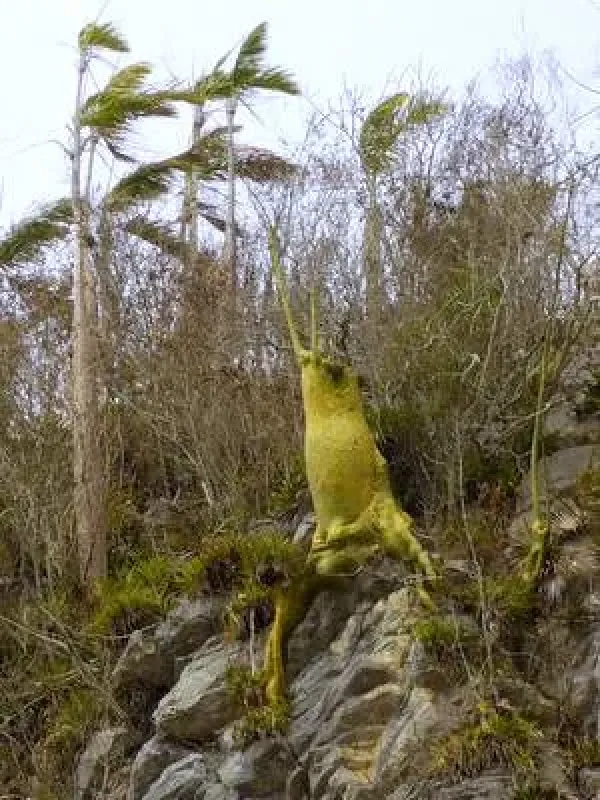
Description
Growing requirements
Pachira cubensis belongs to the Malvaceae family and is native to the tropical regions of Cuba. This species is highly valued for its adaptability to humid environments and its distinct morphological features, such as a sturdy, water-storing caudex.
The crop thrives in temperatures between 22°C and 28°C. Consistent ambient humidity is essential for physiological processes, with optimal levels ranging from 70% to 80% to prevent leaf dehydration and stress.
Soil composition must prioritize drainage, as Pachira cubensis is extremely sensitive to root rot caused by stagnant water. A porous substrate consisting of organic matter mixed with inorganic aggregates like pumice or coarse sand is recommended.
Agrotechnical management involves a balanced fertilization schedule during the active growing season. Nitrogen-rich fertilizers should be applied with caution to avoid excessive, weak vegetative growth that may hinder the tree's overall stability.
Light management is crucial, as the plant prefers bright, filtered sunlight. Excessive shade can lead to leggy, thin stems, while direct, intense sunlight in high-temperature conditions may cause leaf scorch and tissue damage.
Main diseases and pests
Spider mites are the most common pests, particularly prevalent during periods of low humidity. These pests infest the undersides of leaves, causing yellowing and webbing; regular monitoring and moisture management are key controls.
Root rot, primarily caused by Phytophthora or Pythium species, occurs when soil aeration is poor. Maintaining proper drainage and avoiding waterlogged conditions are the primary preventative measures for this devastating fungal disease.
Mealybugs are frequently found in the leaf axils and stems, where they extract sap and leave sticky residues that attract secondary sooty mold. Targeted application of horticultural oils or systemic insecticides is necessary for effective removal.
Iron deficiency chlorosis is a common physiological problem if the soil pH is too high, inhibiting nutrient uptake. Correcting the pH balance using appropriate acidifying agents helps restore the plant's health and vitality.
Aphid infestations on young, succulent shoots require immediate intervention with insecticidal soaps or systemic chemicals to prevent stunted growth. Regular pruning of damaged material further reduces the risk of pest colonization.