
Pachira amazonica
Pachira amazonica
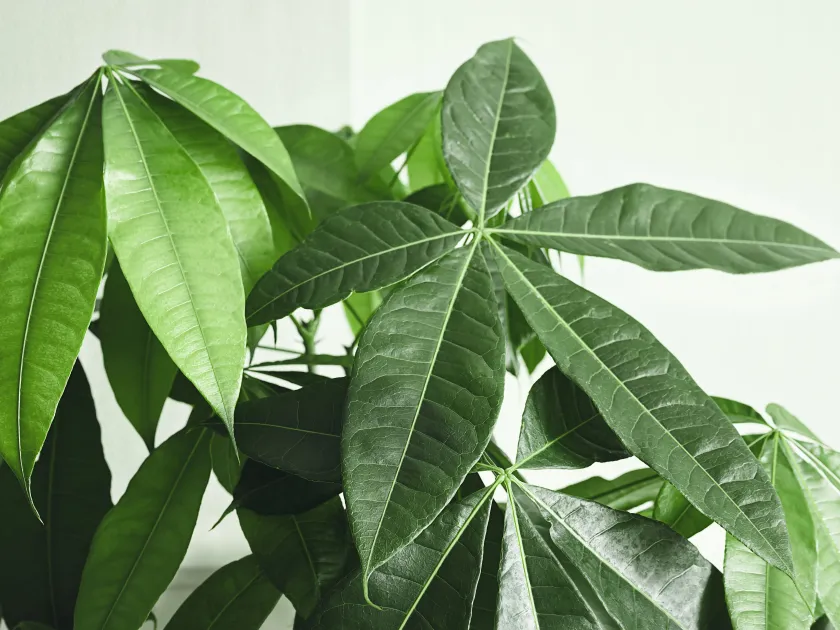
Description
Growing requirements
Pachira amazonica is a tropical tree belonging to the Malvaceae family, naturally occurring in the Amazon basin. It is characterized by its adaptability to high temperatures and humid environmental conditions, typical of the rainforest climate.
Successful cultivation requires stable temperatures ranging from 22 to 28 degrees Celsius. Any significant drop in temperature or sudden exposure to cold drafts can be detrimental to the physiological development of the tree.
Soil requirements focus on high drainage capacity. The plant thrives in light, porous soil mixtures that prevent moisture accumulation around the roots, as excessive dampness causes rapid root decay in this species.
Optimal light conditions are essential for maintaining leaf vitality. While the plant requires plenty of indirect light, direct tropical sunlight can cause serious leaf scorching, necessitating protective measures during the peak hours of the day.
Humidity levels should remain consistently high, mimicking its native habitat. Regular misting or the use of humidifiers in greenhouse environments is recommended to support healthy foliage development.
Yield
The economic yield of Pachira amazonica is primarily derived from its large, woody fruit capsules which contain protein and oil-rich seeds. These seeds are a key commercial product in various tropical agricultural zones.
Yield capacity significantly depends on the maturity of the specimen, with trees typically entering a productive phase several years after planting. Proper pruning techniques are essential to maximize fruit production.
In addition to seeds, the fibrous bark serves as a raw material for local textile production. The strength of these fibers makes them suitable for manufacturing ropes and artisanal products.
Modern agronomic practices focus on sustainable harvest cycles to ensure tree longevity. Harvesting is performed when the seed pods reach full maturity and begin to dry naturally on the tree branches.
Proper storage of the harvested seeds is critical, as their high oil content makes them susceptible to rapid spoilage if not kept in cool, dry conditions with adequate ventilation.
Main diseases and pests
Spider mites are the most common pests that thrive in the dry conditions often found in improperly ventilated greenhouses, leading to significant damage to the plant's photosynthetic apparatus.
Root rot, driven by pathogenic fungi in overwatered soil, represents the most significant threat to the survival of the tree. Once established, this condition often requires complete replacement of the growing medium.
Scale insects pose a localized threat to the stems and branches. These pests attach themselves to the plant and extract essential fluids, which leads to stunted growth and yellowing of the leaves.
Leaf spot diseases, triggered by high humidity without adequate air circulation, can lead to widespread defoliation. Preventive fungicide applications are standard practice for maintaining large-scale plantings.
- Frequent monitoring of canopy health
- Maintenance of proper air circulation
- Isolation of infested specimens
- Sanitary pruning of dead tissue
- Strategic insecticide rotation