
Ouratea
Ouratea
The genus Ouratea belongs to the Ochnaceae family and consists of a diverse range of evergreen shrubs and small trees native to tropical regions in the Americas, Africa, and Asia. In their natural habitat, these plants thrive in the understory of dense forests, where they are protected from direct, harsh sunlight.
What the section contains


Ouratea
Successful cultivation of Ouratea requires a warm and humid environment, mimicking the conditions of tropical rainforests. Temperatures should ideally remain between 22 and 30 degrees Celsius, as the plant is highly sensitive to cold and does not survive in freezing conditions.
The soil requirements for Ouratea involve using a well-draining, nutrient-rich substrate, preferably with a slightly acidic pH level. Overwatering is a common mistake that can lead to root rot; therefore, providing an effective drainage system is essential for maintaining plant health.
Maintenance practices include consistent watering with soft water and balanced fertilization during the primary growth phase. Shaping the plant through periodic pruning is recommended to maintain a compact size and promote denser foliage, especially when grown as an ornamental shrub in greenhouses.
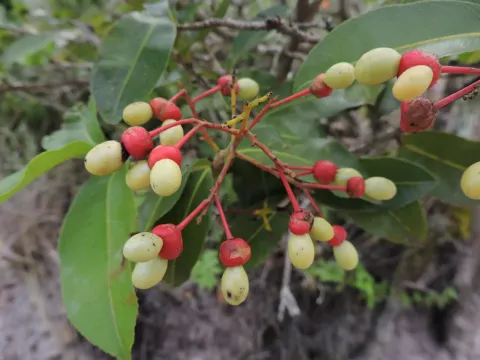
The economic and cultural utility of Ouratea lies primarily in its aesthetic value. Its vibrant floral displays and unique fruits make it a popular subject for botanical collections, and in certain regions, some species have been used in traditional medicine applications for their bioactive properties.
Spider mites are the most common pest affecting Ouratea, particularly in indoor environments where air humidity may be inadequate. Frequent misting and the use of insecticidal soaps are recommended to manage mite populations and prevent severe leaf damage.
Fungal pathogens, particularly those causing root and crown rot, can occur if the growing medium remains waterlogged. Ensuring that the surface of the soil dries out slightly between irrigation cycles is the most effective way to prevent these soil-borne diseases.
Nutritional deficiencies often manifest as chlorosis or stunted growth, necessitating a review of the fertilization schedule. Supplemental microelements, such as iron, may be required if the plant is grown in soil that is not perfectly matched to its specific needs.
Environmental stress, such as exposure to cold drafts or sudden temperature shifts, can cause premature leaf or bud drop. Maintaining a consistent microclimate is critical for preventing these physiological issues and ensuring the plant remains vigorous and attractive.
Regular sanitation, including the removal of dead or decaying foliage and the sterilization of pruning tools, is essential for minimizing the risk of infection. By keeping the plant's environment clean and stable, growers can effectively reduce the incidence of both pests and diseases.