
Ouratea oliviformis
Ouratea oliviformis
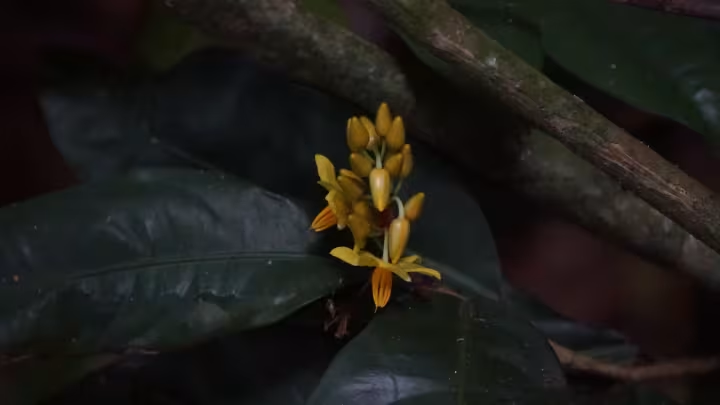
Description
Growing requirements
Ouratea oliviformis is an evergreen shrub or small tree belonging to the Ochnaceae family. It is recognized for its unique botanical structure and is often studied for its ornamental potential in tropical horticultural settings.
The species is native to the tropical regions of Central and South America, where it thrives in the understory of humid forests. Its natural distribution is limited by its intolerance to frost, requiring year-round warm temperatures for optimal biological development.
Successful cultivation requires soil that is rich in organic matter and highly porous to ensure efficient drainage. Water management is critical; while the plant enjoys humidity, it does not tolerate waterlogging, which can lead to severe root stress.
Regarding light, this species prefers dappled sunlight. Intense, direct sun exposure during midday hours can be detrimental to the foliage, necessitating the use of shade cloth or natural canopy cover when grown in experimental agricultural plots.
Agricultural maintenance involves consistent irrigation and nutrient supplementation during the vegetative phase. Pruning is essential for managing the growth habit of the plant, as it helps in maintaining a balanced structure and encouraging healthy new leaf production.
Main diseases and pests
Pest management for Ouratea oliviformis primarily involves controlling sucking insects such as mealybugs and spider mites. These pests thrive in dry indoor or greenhouse conditions, making consistent humidity monitoring a key cultural control method.
Pathogen threats are mostly associated with fungal infections triggered by inadequate drainage or poor ventilation. The application of systemic fungicides should be limited to instances of verified infection to maintain the plant's overall health and vitality.