
Ouratea theophrasta
Ouratea theophrasta
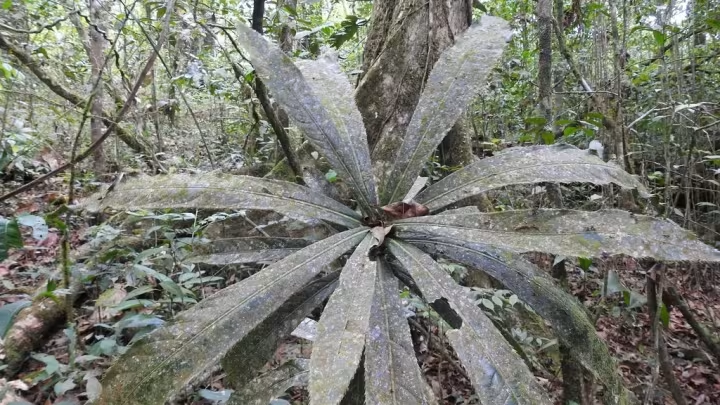
Description
Growing requirements
Ouratea theophrasta is an evergreen woody plant belonging to the Ochnaceae family. Native to the tropical forests of South America, this species thrives in environments characterized by stable, warm temperatures throughout the year without significant seasonal fluctuations.
The successful cultivation of this crop depends heavily on soil quality. It requires fertile, well-draining soils to thrive; consequently, heavy clay substrates that may lead to waterlogging should be avoided or amended with sand and organic matter to improve aeration.
The plant prefers a soil pH range that is slightly acidic to neutral. In terms of light, Ouratea theophrasta is versatile but performs best when given filtered or dappled sunlight, particularly in its juvenile stages, to prevent excessive leaf transpiration and potential scorching.
Temperature is a critical limiting factor for this tropical species. It does not tolerate frost, and sustained temperatures below 15 degrees Celsius can cause significant physiological stress or stunted growth. An ideal range is 22–28 degrees Celsius.
Proper agronomic management requires consistent moisture levels in both the soil and the surrounding air. Mulching the base of the plant is recommended to help retain moisture and protect the shallow root system from extreme temperature fluctuations.
Yield
The primary utility of Ouratea theophrasta lies in its ornamental value within landscape architecture and its potential contribution to tropical forestry. As a woody plant, its yield is primarily measured in biomass growth and aesthetic development rather than fruit production.
To maximize the health and growth rate of the crop, spacing is essential. Proper plantation density ensures that each tree has sufficient access to essential nutrients and light, which reduces inter-plant competition and promotes a balanced crown structure.
While the plant produces flowers and fruits in its natural life cycle, these serve primarily ecological functions, supporting local bird populations. In a managed environment, these traits enhance the biodiversity value of the planting site.
Nutrient management through organic amendments during the peak growing season is recommended to maintain vigorous growth. Careful application of balanced fertilizers can improve the overall hardiness and leaf quality of the plant.
Given the long-term nature of this plant, it represents a stable investment for tropical gardens. Its resilience, when placed in an appropriate microclimate, allows it to serve as a long-standing structural element in subtropical and tropical landscapes.
Main diseases and pests
Fungal pathogens represent the most significant threat to Ouratea theophrasta, especially when plants are grown in poorly ventilated areas with excessive humidity. Root rot is a common issue resulting from suboptimal drainage conditions.
Pest pressures primarily include sap-sucking insects like scale insects and mealybugs. These pests can weaken the plant by feeding on its foliage and stems, often leading to secondary infections if the infestation is not addressed promptly.
Proactive management of the plantation environment is essential to mitigate these threats. Regular pruning to maintain canopy openness is vital, as it allows for better air circulation and reduces the micro-humidity levels that favor fungal growth.
Monitoring for signs of stress, such as yellowing leaves or discolored stems, is necessary for early intervention. If chemical control is required, it should be done with care to ensure the longevity of the plant and its surrounding ecosystem.
- Regular cleaning of the plantation area to remove dead material
- Application of prophylactic measures against scale insects
- Monitoring soil moisture to prevent anaerobic conditions