
Otacanthus
Otacanthus spp.
Otacanthus is a genus of flowering plants belonging to the Plantaginaceae family. These plants are native to the tropical regions of Brazil, which dictates their preference for high temperatures and stable environmental conditions.
What the section contains

Otacanthus
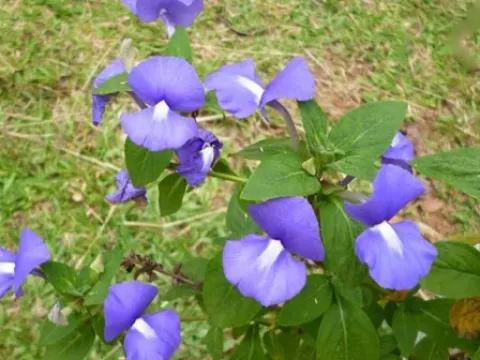
Botanically, they are recognized as subshrubs or herbaceous plants featuring upright stems and oppositely arranged leaves. The most striking characteristic is their vibrant, tubular flowers, typically appearing in shades of blue or violet, which are highly valued in ornamental landscaping.
The culture requires a warm climate to thrive and is not frost-tolerant. In temperate regions, it is primarily managed as a container plant, needing protection from temperatures below 10°C to prevent tissue damage and winter kill.
Regarding soil requirements, Otacanthus favors well-draining, fertile substrates with a slightly acidic to neutral pH level. Proper aeration of the growing medium is essential to support root health and prevent oxygen deprivation in the root zone.
Lighting conditions should be bright and indirect. While the plant benefits from sunlight, direct exposure during peak afternoon hours can cause leaf scorching, necessitating placement in locations with partial shade or filtered light.
Common pests affecting the plant include greenhouse whiteflies and spider mites, particularly when the surrounding air humidity is kept too low.
Fungal issues, such as root rot or powdery mildew, often arise from excessive moisture or poor air circulation around the canopy, requiring consistent moisture management.