
Blue Hawaii
Otacanthus azureus (Linden) Ronse
Description
Growing requirements
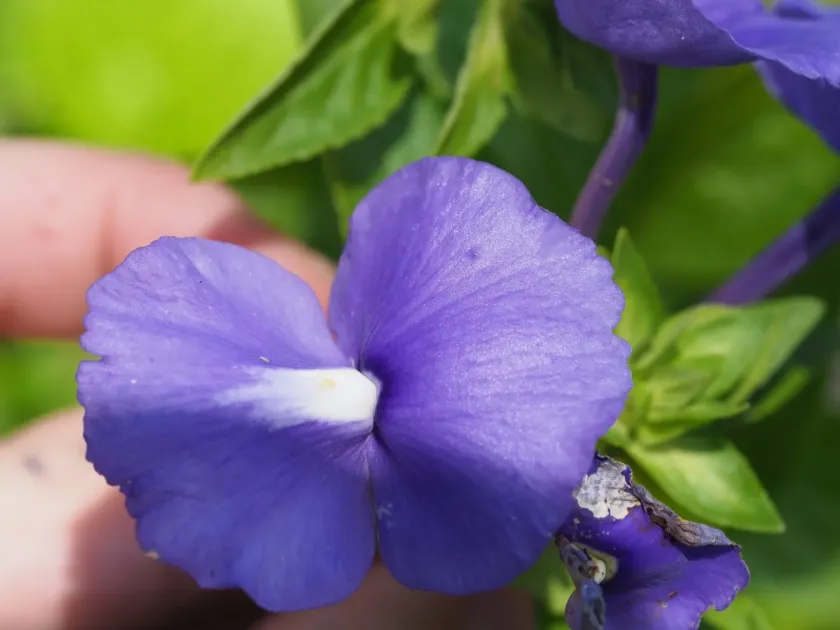
Otacanthus azureus, commonly known as Blue Hawaii, belongs to the Plantaginaceae family. Originating from Brazil, this tropical subshrub is prized for its intense blue, tubular flowers.
The plant thrives in warm, humid climates and is highly valued in horticulture for its long-lasting blooming period, which can extend throughout the year in optimal conditions.
Cultivation requirements include bright, filtered light. While it prefers full sun in its native habitat, intense afternoon sun in containers may require light shading to prevent leaf scorch.
Well-draining, nutrient-rich soil is essential for the healthy development of this plant. It does not tolerate "wet feet," and therefore, a potting mix with high peat or perlite content is recommended.
Maintenance involves consistent watering to keep the substrate moist but not saturated. During the growing season, a balanced liquid fertilizer should be applied bi-weekly to promote vigor.
Main diseases and pests
Common pests affecting Otacanthus azureus include spider mites and mealybugs, which are particularly prevalent in indoor or greenhouse environments with low air circulation.
Overwatering is the leading cause of root rot, a fungal pathogen that often proves fatal if not caught in the early stages of infection.
Effective pest management involves regular leaf inspection and the application of neem oil or appropriate insecticidal soaps if an infestation is detected.
To mitigate disease risk, ensure that containers have adequate drainage holes and allow the top layer of soil to dry slightly between irrigation cycles.
Sanitation practices, such as removing fallen leaves and pruning dead wood, are critical to maintaining the overall health and vitality of the specimen.