
Opuntia tehuantepecana
Opuntia tehuantepecana
Description
Growing requirements
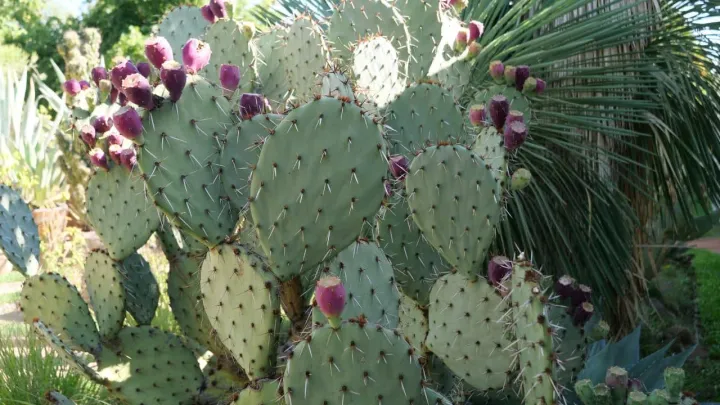
Opuntia tehuantepecana is a species of the Cactaceae family, known for its significant biomass production and drought tolerance. As a succulent perennial, it is characterized by flattened, fleshy stem segments known as cladodes, which serve as water reservoirs.
Native to the Tehuantepec isthmus region of Mexico, this species thrives in tropical and subtropical climates. It is highly adapted to arid environments, requiring intense solar radiation for photosynthesis and plant health throughout its growth cycle.
The crop demands well-draining, sandy or rocky soils that prevent root rot. Heavy, water-retaining soils must be avoided as they lead to rapid fungal decay of the root system and base segments, often resulting in significant crop loss.
In terms of agricultural management, Opuntia tehuantepecana requires minimal water once established. It thrives in temperature ranges between 20°C and 35°C, making it a suitable crop for regions prone to heat stress where traditional vegetable crops fail.
Economic usage of this species spans animal forage, where it is used as a sustainable source of nutrients and water during dry seasons. Additionally, the fruit and young cladodes are increasingly valued in the food industry for their antioxidant properties.
Main diseases and pests
The primary threats to Opuntia cultivation are sap-sucking pests such as scale insects and mealybugs. These organisms congregate on the cladodes, consuming vital fluids and leaving the plant vulnerable to secondary infections or severe dehydration.
Fungal diseases, including Fusarium wilt and various forms of soft rot, pose a major challenge in humid environments. These pathogens typically infiltrate the plant through physical injuries or wounds caused by tools, insects, or environmental stress.
Integrated Pest Management (IPM) is crucial for this crop, emphasizing the use of natural predators to control insect populations. Reducing chemical pesticide use is essential to maintain the safety of the fruit for human consumption and animal feed.
Sanitation practices are the first line of defense; farmers should promptly prune and remove any segments showing signs of decay or localized disease. This prevents the spread of pathogens throughout the entire plantation field.
Monitoring the soil-water balance is also a defensive measure against disease. Maintaining a dry surface area around the base of the plant significantly reduces the risk of root pathogens, ensuring long-term health and consistent yield production.