
Opuntia sulphurea
Opuntia sulphurea
Description
Growing requirements
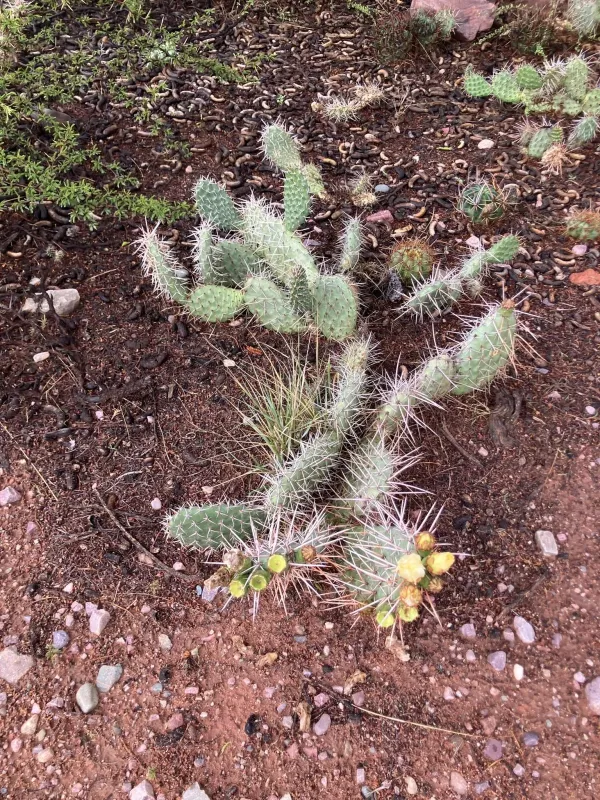
Opuntia sulphurea is a perennial succulent plant belonging to the Cactaceae family, known for its robustness and survival capabilities in harsh environments. It features segmented stems that serve as water reservoirs.
Native to the arid regions of South America, including Argentina and Chile, this species has adapted to extreme conditions. It typically thrives in stony soils and sandy substrates where moisture is scarce.
Successful cultivation requires intense sun exposure and a highly porous, well-draining soil structure. Proper drainage is essential to prevent water accumulation, which poses the greatest risk to plant survival.
Climatic requirements favor high temperatures during the growing season and low ambient humidity. The plant's physiology allows it to thrive in conditions with significant diurnal temperature fluctuations.
Agricultural management is minimal, focusing on providing an inorganic substrate and avoiding over-fertilization. The plant is prized for its ability to maintain growth during prolonged droughts.
Main diseases and pests
The primary agricultural threat to Opuntia sulphurea is fungal rot, triggered by excessive soil moisture. This condition can rapidly devastate the root system and lead to the collapse of the plant segments.
Common pests such as mealybugs and spider mites frequently infest the plant, particularly in sheltered or low-ventilation environments. These pests penetrate the skin, leading to weakened growth and secondary infections.
Root-knot nematodes can inhibit nutrient uptake and destabilize the plant's structural integrity. Proactive soil sterilization and the use of resistant stock help mitigate these soil-borne issues.
Bacterial soft rot can enter through wounds caused by insects or physical damage during maintenance. Maintaining dry conditions and strictly avoiding injuries are crucial for disease prevention.
Poor ventilation during storage or wintering significantly increases the incidence of mold and pathogenic fungi. Regular monitoring ensures early detection and immediate management of any developing threats.