
Opuntia schumannii
Opuntia schumannii
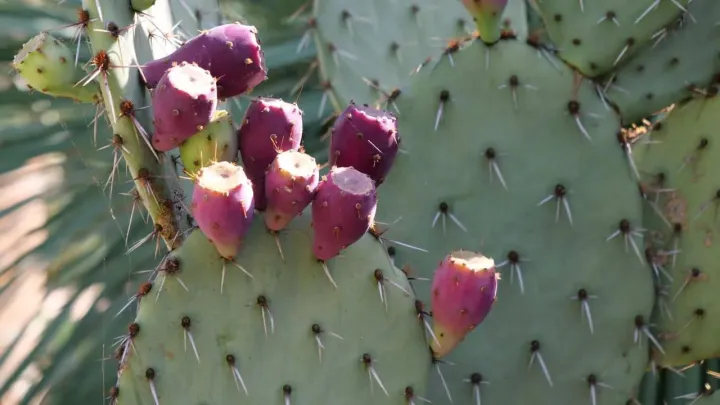
Description
Sowing dates
Opuntia schumannii, a member of the Cactaceae family, is propagated primarily through vegetative means by using cladode cuttings. The optimal planting season is during late spring and summer, when stable high temperatures prevail.
Before planting in soil, cuttings must be dried for several days to allow the cut surface to callus. This essential step prevents rot when the tissue comes into contact with moist substrate.
The cultivation requires light, well-draining sandy or stony soil mixes. In commercial settings, maintaining adequate spacing between plants is critical to ensure proper airflow and light penetration.
For seed propagation, seeds should be sown in a sterile substrate with temperatures maintained at least at 25 degrees Celsius. Moderate soil moisture is required until the first seedlings emerge.
Acclimatizing young plants to open-field conditions should be gradual to prevent epidermis burns from excessive direct sunlight.
Growing requirements
Originating from arid regions, this species is highly resistant to water scarcity. Opuntia schumannii thrives in open, sunny locations where shading is strictly avoided.
The crop is extremely sensitive to waterlogged soil. Stagnant water promotes root rot, making a high-quality drainage layer non-negotiable for successful growth.
Soils should be neutral to slightly alkaline. Heavy clay soils are unsuitable as they retain excessive moisture and cause soil compaction, which inhibits root development.
The plant exhibits high tolerance for elevated temperatures, although it requires protection from severe frost, especially for unhardened vegetative parts.
During the active growth phase, minimal fertilization with low nitrogen content is recommended. Excessive nutrients lead to overly soft tissue, making the plant susceptible to pests.
Yield
The economic value of this crop lies in its biomass production for livestock fodder and the harvesting of its fruit. Fruit yields depend significantly on light intensity and the maturity of the plantation.
The fruits are rich in sugars, vitamins, and minerals, making them a viable raw material for the food processing industry. Harvesting is performed manually, with the use of protective gloves required due to the presence of glochids.
In fodder production, green biomass yields can be substantial with strategic pruning, which stimulates the growth of new cladodes.
Maximum productivity is typically achieved by the third to fifth year, once the plants have fully adapted to their environment.
Fruit quality is directly correlated with irrigation management; reducing water intake shortly before harvest helps concentrate sugars in the ripening fruit.
Main diseases and pests
Common pests affecting this crop include mealybugs and scale insects. These pests feed on plant sap, weakening the plant and predisposing it to secondary fungal infections.
Root rot, caused by various soil-borne pathogens, is a major threat linked to poor soil aeration and improper irrigation practices.
While glochids provide a natural defense against large herbivores, the plants can still be damaged by small rodents during dry seasons when water sources are scarce.
Viral infections are rare but can spread through non-sterile tools used during pruning or cutting operations, making tool disinfection a mandatory standard.
Integrated pest management, including biological controls, is recommended over heavy chemical application to ensure the safety of fruits destined for human consumption.
Harvesting
The harvest phase begins when fruits reach full maturity, indicated by the development of the characteristic species-specific skin color and a softening texture.
Removing glochids from the fruit surface is a critical post-harvest step before transport. In commercial operations, specialized brush machines are often employed for this purpose.
Cladodes harvested for propagation or fodder should be collected during dry weather to prevent rot at the cut surfaces.
Stored fruits require cool, well-ventilated storage areas, as the high sugar content makes them prone to rapid spoilage in humid conditions.
Transport must be conducted in rigid containers to prevent mechanical damage to the delicate skin, which is essential for maintaining the marketability of the product.