
Opuntia scheeri
Opuntia scheeri
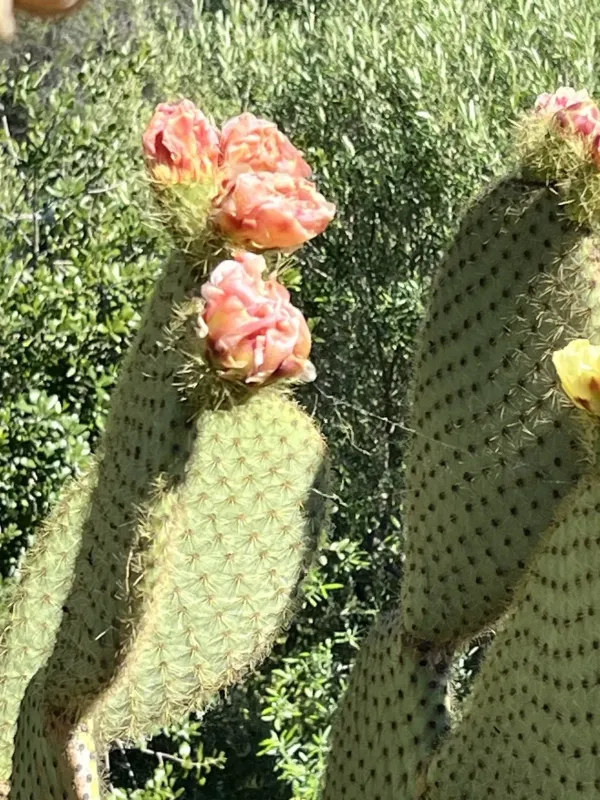
Description
Growing requirements
Opuntia scheeri is a prominent member of the Cactaceae family, native to the arid highlands of Mexico. This succulent species is recognized for its segmented, shrub-like growth habit, which allows it to thrive in nutrient-poor environments where other agricultural crops struggle to survive.
The plant demands highly permeable, sandy, or rocky soil substrates to maintain healthy roots. Proper soil drainage is the most critical factor in its agronomy, as excessive water retention can lead to rapid decay of the cladodes and root death, necessitating careful site selection.
Regarding climate, Opuntia scheeri thrives in high-solar intensity zones with significant diurnal temperature variations. While it shows remarkable tolerance to drought, it requires consistent heat during its growing season to achieve maximum biomass production and structural integrity.
Agronomic management involves minimal irrigation cycles, primarily performed during the warmer months. By avoiding excessive moisture, growers can prevent the common physiological disorders associated with water stress and ensure the longevity of the cactus plantation over many years.
The economic utility of Opuntia scheeri spans from its use as an ornamental feature in xeriscaping to its potential role in arid-land forage production. Its biological resilience makes it an ideal candidate for sustainable agricultural projects in water-scarce regions across the globe.
Main diseases and pests
Pathogenic threats mainly include fungal infections such as root rot, which are triggered by poor ventilation and waterlogged soils. Integrating organic fungicides and maintaining clean cultivation zones are standard practices to minimize these biological risks.
Insect pests, specifically mealybugs and scale insects, often infest the crevices of the pads. Integrated pest management (IPM) strategies, including biological control agents, are recommended to maintain plant health without compromising the environmental safety of the crop plantation.