
Opuntia quimilo
Opuntia quimilo
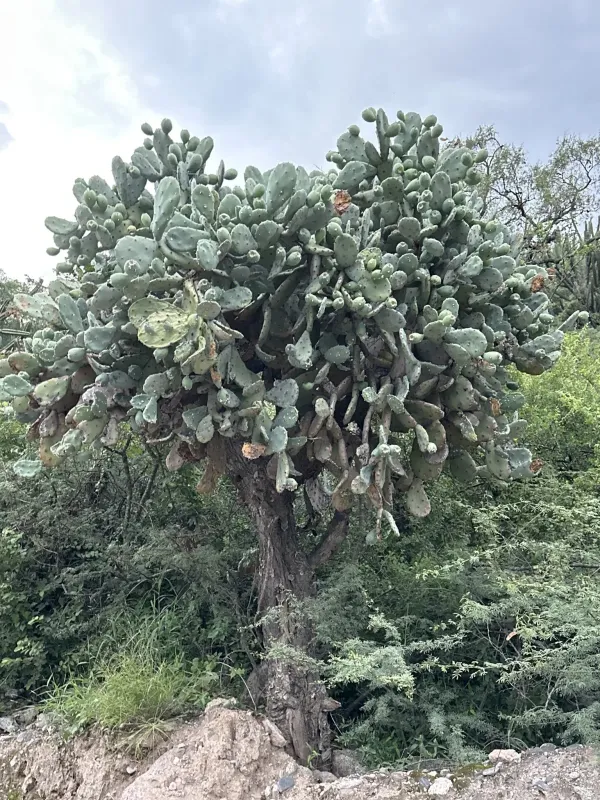
Description
Growing requirements
Opuntia quimilo is a tree-like member of the Cactaceae family, native to the arid landscapes of Argentina. It is characterized by its significant height, woody trunk, and large, flattened segments that serve as reservoirs for water, allowing the plant to thrive in challenging environments.
The culture requires intense solar radiation to maintain its structural integrity and metabolic vigor. Cultivation sites should be chosen in areas with full sun exposure, as shade leads to weak, etiolated growth that is prone to physical collapse and susceptibility to various diseases.
Soil requirements are strict regarding drainage. Opuntia quimilo demands well-aerated, sandy, or volcanic substrates that prevent water accumulation around the root system. Any prolonged exposure to moisture-saturated soil will inevitably lead to root rot and systemic failure of the plant.
Climate adaptation is centered on the plant's ability to withstand severe drought. It is best suited for semi-arid environments where seasonal temperature fluctuations are distinct. It does not tolerate frost, which can cause internal cell damage and permanent scarring of the segments.
Good agricultural practice involves careful site preparation to ensure no water pooling occurs. Weed control is essential during the initial planting stages, as young specimens are highly susceptible to competition from grasses and invasive plant species.
Main diseases and pests
Fungal infections remain the primary biological threat to large-scale stands. Excessive humidity often facilitates the development of soft rots that can quickly consume the inner tissues of the plant if not detected early.
Pest pressures primarily come from scale insects and mealybugs, which feed on the sap and create entry points for secondary pathogens. Regular scouting and integrated pest management are necessary to maintain healthy and productive stands of this unique cactus.
Harvesting
In agricultural settings, the species is primarily valued as a supplemental fodder source for livestock during dry seasons. The nutritional content of the pads provides essential hydration and energy once the spines have been properly singed or removed.
The fruit of Opuntia quimilo is also harvested for its nutritional properties. Because of the presence of glochids, harvesting requires the use of heavy-duty gloves and specialized long-handled tools to ensure the safety of the field workers.