
Opuntia pycnantha
Opuntia pycnantha
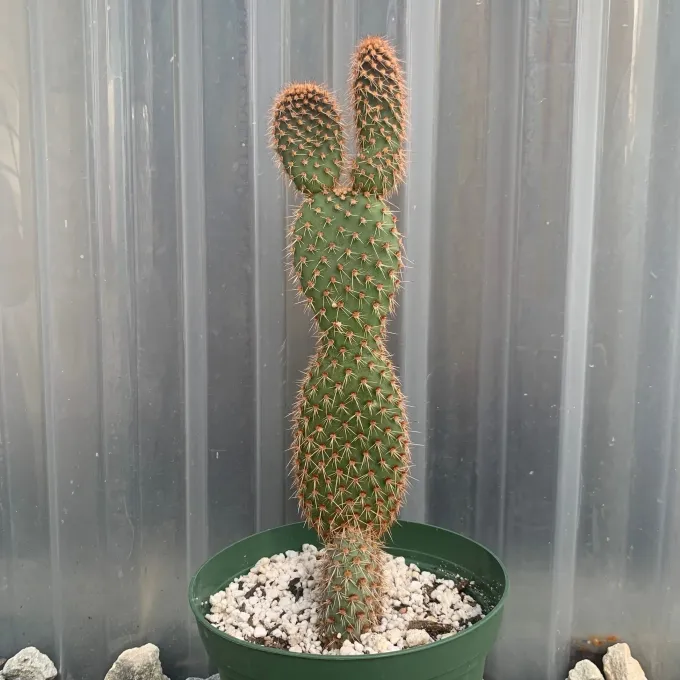
Description
Growing requirements
Opuntia pycnantha is a specialized succulent belonging to the Cactaceae family. This species is native to the arid environments of Baja California, where it has developed significant adaptations to survive prolonged droughts and intense sun exposure.
The plant thrives in well-draining, mineral-rich soils that mimic its natural rocky habitat. Heavy or clay-based soils are detrimental to the plant, as they tend to hold moisture and lead to the rapid degradation of the root system.
Climatic requirements for Opuntia pycnantha focus on high light intensity and thermal stability. It requires a distinct growth period with high temperatures and a cool, dry dormant period to ensure metabolic health and future flowering.
Botanically, the species is recognized by its flattened, fleshy stems known as cladodes, which act as water storage organs. The dense coverage of spines is not merely for defense but also assists in shading the epidermis and reducing overall transpiration rates.
Cultivation requires minimal irrigation during the summer months, allowing the substrate to dry out entirely between watering sessions. During the winter, the plant should remain almost completely dry to prevent cellular damage and mimic its natural cycle.
Main diseases and pests
The most significant threat to Opuntia pycnantha is root and stem rot caused by various fungal pathogens. These are almost exclusively associated with improper watering practices, particularly when the ambient temperature is too low for active growth.
Mealybugs are the most persistent pests encountered in cultivation. They congregate in the crevices between spines, making them difficult to detect and treat before they cause significant damage to the epidermis of the plant.
Spider mites are another major concern, especially in greenhouse environments with low humidity. Infestations typically result in mottled patches on the surface, which can permanently scar the plant's appearance and reduce its vigor.
Effective pest management involves the use of targeted acaricides and insecticides, applied carefully to avoid damaging the plant's protective cuticle layer. Regular monitoring for early signs of infestation is crucial for success.
Preventative measures include maintaining good airflow, using porous growing mediums, and ensuring that no standing water remains on the plant surface after cleaning or accidental exposure to rainfall.